Turnkey Online Casino in 2026: The Operator's Stack Comparison Guide
Choosing a turnkey online casino solution in 2026 means evaluating an entire technology stack — platform, aggregator, payment layer, and compliance tooling — not just a single vendor. This guide cuts through the sales decks to show you where the real decisions, costs and risks live.
A turnkey online casino is a fully configured, operator-owned deployment — your own license, your own domain, your own player database — built on a vendor's pre-integrated technology stack. White-label, by contrast, puts you on a shared master license and shared infrastructure. The distinction is legally and commercially significant, and vendors frequently blur it in their marketing.
What exactly is a turnkey online casino, and how does it differ from white-label?
A turnkey online casino is a fully configured, operator-owned deployment — your own license, your own domain, your own player database — built on a vendor's pre-integrated technology stack. White-label, by contrast, puts you on a shared master license and shared infrastructure. The distinction is legally and commercially significant, and vendors frequently blur it in their marketing.
The clearest way to think about it: white-label is a franchise arrangement where the franchisor (the platform provider) holds the gambling license and you operate as a sub-licensee under their umbrella. You get to market quickly — sometimes in four to eight weeks — but you own very little. The player data belongs to the master license holder, your brand is built on someone else's compliance infrastructure, and if that master license gets suspended or the provider exits a market, your operation goes dark with it. I've seen this happen twice with Curaçao-licensed white-label networks, and the operators had almost no recourse.
Turnkey flips that model. You apply for your own license — Curaçao eGaming, MGA, Anjouan, or wherever your market strategy points — and the vendor builds and configures the platform stack on your behalf. You own the entity, you own the players, and you're responsible for compliance. The vendor's role is closer to a systems integrator than a franchisor. That means more setup complexity and a longer pre-launch timeline (typically three to six months for a properly licensed turnkey versus four to eight weeks for white-label), but the long-term business you're building is actually yours.
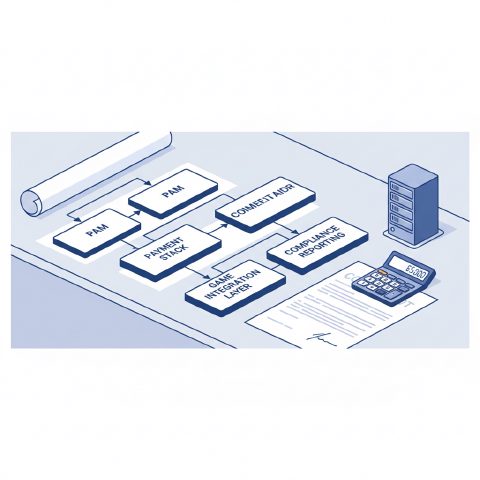
From a stack perspective, a genuine turnkey package in 2026 should include: the core casino platform and back-office, a game aggregator integration (or direct studio connections), a payment processing layer with at least one acquiring PSP and ideally crypto rails, a KYC/AML toolset, an affiliate management system, and a CRM or bonus engine. Providers like SoftSwiss (SOFTSWISS Casino Platform), EveryMatrix (CasinoEngine + MoneyMatrix), and Digitain offer this as a bundled deployment. The integration depth and the contractual flexibility of each layer is what you're actually comparing when you evaluate turnkey vendors — not the marketing brochure.
| Factor | White-Label | Turnkey |
|---|---|---|
| License ownership | Shared master license (provider's) | Operator holds own license |
| Player data ownership | Provider retains data rights | Operator owns player database |
| Time to launch | 4–8 weeks typical | 3–6 months (licensed) |
| Setup cost (est.) | $15,000–$60,000 | $80,000–$350,000+ |
| Ongoing fees | Higher rev-share (30–50%) | Lower rev-share or flat SaaS fee |
| Flexibility / customisation | Limited | Moderate to high |
| Regulatory risk | Tied to provider's compliance | Operator is responsible |
| Brand / M&A value | Low | Significantly higher |
Which turnkey casino platform providers should operators seriously evaluate in 2026?
The shortlist that consistently comes up in serious operator RFPs includes SoftSwiss, EveryMatrix, Digitain, BetConstruct, and Pragmatic Solutions. Each has a meaningfully different commercial model, API architecture and jurisdictional footprint. Picking the wrong one for your market is an expensive mistake that typically takes 18 months and a painful migration to correct.
SoftSwiss is probably the most recognized name for crypto-friendly turnkey deployments. Their platform handles both fiat and crypto natively, the back-office is mature, and their game aggregator (SOFTSWISS Game Aggregator) gives access to 200+ studios. The trade-off is that they're opinionated about their own ecosystem — deep integration with external PSPs outside their recommended stack can get friction-heavy, and their contracts historically lean toward locking you into their aggregator. For operators targeting crypto-heavy markets or building a BTC-first brand, it's a strong fit. For regulated EU markets where you need tight PSP flexibility, evaluate carefully.
EveryMatrix is the platform I'd recommend most seriously for operators targeting regulated European markets — MGA, UKGC, or emerging regulated jurisdictions. Their CasinoEngine aggregates 20,000+ games, MoneyMatrix handles the payment layer with genuine multi-PSP routing logic, and their compliance tooling (OddsMatrix, RGS Matrix) is built for regulator scrutiny. The onboarding process is slower and more thorough than some competitors, which is actually a feature rather than a bug when you're building a licensed operation. Pricing is enterprise-tier — expect meaningful monthly minimums.
Digitain and BetConstruct are strong contenders for operators who want sports betting bundled with casino from day one. Both are Armenian-founded companies with substantial global footprints, competitive pricing, and flexible API access. BetConstruct in particular has invested heavily in their compliance layer for regulated markets. The risk with both is support responsiveness at scale — worth stress-testing during due diligence by talking to existing operators on their platform, not just reading case studies. Pragmatic Solutions (separate from Pragmatic Play the studio) is worth evaluating for operators who want a leaner, API-first platform without the full-stack lock-in of the larger vendors.
| Provider | Best fit | Game aggregator | Crypto-native | Regulated EU-ready | Est. monthly platform fee |
|---|---|---|---|---|---|
| SoftSwiss | Crypto / offshore | SOFTSWISS Game Aggregator (200+ studios) | Yes | Partial | $10,000–$30,000+ |
| EveryMatrix | Regulated EU / MGA | CasinoEngine (20,000+ games) | Partial | Yes | $15,000–$50,000+ |
| Digitain | Sports + casino combo | Proprietary + third-party | Partial | Partial | $8,000–$25,000+ |
| BetConstruct | Sports + casino / emerging markets | Proprietary aggregator | Yes | Partial | $8,000–$20,000+ |
| Pragmatic Solutions | API-first / lean stack | External aggregator integration | No | Yes | Variable / rev-share |
How should operators evaluate game aggregators within a turnkey stack?
Your game aggregator choice determines content breadth, studio relationships, rev-share structure and — critically — which regulated markets you can actually serve. Most turnkey platforms bundle their own aggregator, but the better vendors let you integrate a third-party aggregator or layer one on top. That flexibility is worth negotiating for before you sign.
The aggregator market in 2026 is dominated by a handful of serious players: Relax Gaming, Pariplay (now part of Aristocrat), Hub88, Slotegrator, and the platform-bundled options from EveryMatrix and SoftSwiss. Each has a different studio roster, different certification coverage, and different commercial terms. Hub88, for instance, has built a strong reputation for regulated market certifications — if you're targeting MGA or UKGC, their compliance documentation is notably cleaner than some competitors. Relax Gaming is a studio-aggregator hybrid, which gives them premium content but also means they're selective about who they distribute to.
The number operators fixate on — total game count — is largely irrelevant. Nobody needs 15,000 slot titles. What matters is: are the top 50 performing studios present (Pragmatic Play, Evolution for live, Hacksaw Gaming, Push Gaming, Play'n GO)? Are the certifications current for your target jurisdiction? What's the revenue share structure and are there MGA or per-market fees baked in? A 30% aggregator rev-share on top of a 15% platform fee leaves you with margins that make the business model questionable before you've spent a dollar on marketing.
If your turnkey vendor bundles their own aggregator and makes it contractually difficult to add external content, that's a meaningful red flag. The casino content landscape shifts fast — studios release hit games that drive acquisition spikes, and if you're locked into an aggregator that's slow to onboard new studios, you'll feel it in your conversion numbers. I'd negotiate explicit rights to integrate at least one additional aggregator API within the first 12 months of operation as a baseline contractual requirement.
Explore the launch guides

How to Start an Online Casino in 2026: The Operator's Real-World Playbook — Built for Founders Who Are Actually Doing It
Starting an online casino in 2026 requires navigating licensing, platform architecture, game aggregation, payment processing and compliance — this playbook covers every decision point with real figures and operator-tested recommendations.
White Label vs Turnkey Casino
Compare white label, turnkey and custom casino solutions: control, cost, speed and when each model wins.

How Much Does It Cost to Start an Online Casino in 2026: Real Numbers, Hidden Fees, and the ROI Timeline Nobody Talks About
Starting an online casino in 2026 costs anywhere from $30,000 for a bare-bones white-label to $2M+ for a fully licensed, custom-built operation — and the gap between those numbers is where most founders get burned. This guide breaks down every cost layer with real figures.
iGaming Software Provider Guide 2026: How to Choose the Platform That Won't Kill Your Launch
Picking the wrong iGaming software provider is the most expensive mistake an operator can make before going live. This guide breaks down every major platform model, real cost ranges, and the questions you must ask before signing anything.
iGaming Hub's Complete Guide to Online Casino Payment Gateways in 2026
Choosing the wrong online casino payment gateway is one of the most expensive mistakes a new operator can make. This guide cuts through the vendor noise to give you the real costs, provider trade-offs, and compliance requirements that determine whether your payment stack converts — or kills your launch.
Casino Game Content & Aggregators
Game aggregators, live dealer providers, slot suppliers and casino game APIs for operators.
Crypto / Bitcoin Casino
Crypto casino software, white-label bitcoin casinos, provably-fair and crypto payment rails.
Affiliate & Marketing Software
iGaming affiliate platforms, tracking software and how to launch a casino affiliate program.

Gambling License Guide 2026: Every Jurisdiction, Real Costs & What Vendors Won't Tell You — iGaming Hub
Getting a gambling license in 2026 is more expensive, slower, and more jurisdiction-specific than most operators expect. This guide breaks down every major licensing route — Curaçao, MGA, Anjouan, US states, LATAM, and more — with real cost ranges, timelines, and the compliance traps that kill launches before they go live.
What does a turnkey online casino actually cost to launch in 2026?
All-in launch costs for a properly licensed turnkey casino in 2026 realistically range from $80,000 to $350,000+, depending on jurisdiction, platform tier, payment complexity and whether you're building any custom front-end. The $30,000 figures some vendors advertise are for white-label sub-licenses — not standalone licensed operations. Budget accordingly.
Breaking down the cost structure honestly: the gambling license itself is often the first surprise. A Curaçao eGaming license (now under the reformed GCB framework post-2023) costs roughly $30,000–$50,000 in application and setup fees plus ongoing annual fees, and you'll need a local entity and a management fee to a licensed service provider. An MGA license in Malta is more rigorous — budget $25,000+ in application fees, legal costs that routinely hit $50,000–$100,000, and a timeline of six to twelve months. Anjouan (OJSC) has emerged as a faster, cheaper offshore option at around $15,000–$25,000 all-in, though its market acceptance is narrower. These are ballpark figures; get current quotes from a licensed corporate service provider, because fee structures change.
Platform and technology costs on top of licensing: a mid-tier turnkey deployment on a platform like Digitain or BetConstruct typically involves a setup fee of $20,000–$60,000 plus monthly SaaS or rev-share fees. EveryMatrix and SoftSwiss deployments at the enterprise tier can have setup fees of $50,000–$150,000 with meaningful monthly minimums. Then layer in payment integration costs — PSP setup fees, rolling reserves (typically 5–10% of processing volume held for 90–180 days), and the ongoing cost of maintaining multiple PSP relationships as your primary inevitably experiences downtime or account termination.
Marketing and player acquisition is where operators most consistently underbudget. A turnkey casino with zero player base needs acquisition spend to generate revenue, and in competitive markets the cost per depositing player (CPD) can range from $150 to $600+ depending on channel and geography. Budget a minimum of $50,000–$100,000 for the first three months of acquisition before you can meaningfully evaluate whether the business model is working. The vendors selling you the platform have no incentive to tell you this — their revenue starts on day one regardless of your player acquisition results.
| Cost Category | Low Estimate | High Estimate | Notes |
|---|---|---|---|
| Gambling license (Curaçao/Anjouan) | $20,000 | $55,000 | Ongoing annual fees additional |
| Gambling license (MGA) | $75,000 | $150,000+ | Includes legal; 6–12 month timeline |
| Platform setup fee | $20,000 | $150,000 | Varies by provider tier |
| Monthly platform fee (year 1) | $96,000 | $360,000 | $8k–$30k/month range |
| Payment integration & reserves | $10,000 | $50,000+ | Rolling reserve not a cost but cash tied up |
| Front-end design / custom dev | $15,000 | $80,000 | If customising beyond default theme |
| Legal / compliance / KYC tooling | $10,000 | $40,000 | AML policy, T&Cs, responsible gambling |
| Initial marketing budget (3 months) | $50,000 | $150,000+ | Acquisition; highly market-dependent |
| TOTAL (est.) | $221,000 | $835,000+ | Wide range reflects jurisdiction + tier |
Which payment providers and PSPs actually work for a turnkey casino launch?
Payment is the single layer where most turnkey launches underperform. You need a primary card acquirer, a backup acquirer, a crypto processing option, and local APM coverage for your target market — and you need all of these contracted and tested before go-live, not after. Most platform vendors will offer a bundled PSP; treat it as a starting point, not a complete solution.
The iGaming PSP market in 2026 is fragmented and risk-sensitive. Card acquiring for gambling merchants is genuinely difficult — Visa and Mastercard's merchant category code (MCC 7995) triggers enhanced scrutiny, higher interchange, and frequent account terminations. Established iGaming-specialist acquirers include Payvision (ING), Nuvei, Praxis Cashier (a payment orchestration layer rather than an acquirer), and Safecharge (now part of Nuvei). For crypto, B2BinPay, CoinsPaid and BitPay are the most common integrations I see in turnkey deployments. CoinsPaid in particular has deep integrations with SoftSwiss and several other platform providers, which simplifies the technical lift.
The orchestration layer concept is worth understanding. Rather than integrating each PSP directly, tools like Praxis Cashier, Payneteasy, or EveryMatrix's MoneyMatrix sit between your platform and multiple PSPs, routing transactions based on geography, card BIN, and failure rates. This is how serious operators manage payment resilience — when your primary acquirer declines a batch of UK Visa transactions, the orchestration layer automatically re-routes to your backup without the player seeing a failure. Getting this architecture right at launch is significantly easier than retrofitting it after you've gone live with a single PSP and started seeing decline rates above 15%.
Local APMs (alternative payment methods) are non-negotiable in most markets. In LATAM, PIX in Brazil, PSE in Colombia, and OXXO in Mexico drive a substantial share of deposits — a casino targeting Brazilian players without PIX integration is leaving the majority of its addressable market untouched. In Europe, Trustly for bank transfers and Skrill/Neteller for e-wallets remain standard. In emerging Asian markets, local wallet integrations are table stakes. Map your target market's payment preferences before you finalize your platform choice, because some platforms have significantly better pre-built APM coverage than others, and custom integrations add both cost and timeline.
What jurisdictions should a turnkey casino operator target in 2026?
Jurisdiction selection in 2026 is a market access decision as much as a regulatory one. Curaçao and Anjouan remain the fastest and cheapest offshore entry points. MGA Malta is the gold standard for European credibility. US state licenses are individually required and operationally complex. LATAM — Colombia, Peru, Brazil — is where the most interesting regulated growth is happening right now.
Curaçao went through a significant regulatory reform in 2023–2024 under the new National Ordinance on Offshore Games of Hazard (NOOGH), moving from a sub-license model to direct operator licenses issued by the Gaming Control Board (GCB). The transition increased costs and compliance requirements meaningfully — the $5,000 Curaçao license of 2019 is a historical artifact. That said, Curaçao remains the most accessible offshore license for new operators, with a timeline of roughly three to five months under the new framework and a market acceptance that covers most of Latin America, parts of Asia and crypto-heavy player bases globally.
MGA Malta is the benchmark for operators targeting European players seriously. It's expensive, slow (six to twelve months realistically), and requires genuine substance in Malta — not just a letterbox company. But the MGA mark opens doors: better PSP relationships, higher player trust, and acceptance in markets that won't touch offshore operators. If your five-year plan includes any regulated European market or a potential acquisition/investment event, building on MGA from the start is the right call even if it's painful upfront.
For LATAM operators, Colombia (Coljuegos) and Peru (MINCETUR) are the two most developed regulated frameworks, both with established licensing processes and local payment infrastructure. Brazil's regulatory framework under the Secretaria de Prêmios e Apostas (SPA) is actively developing post-2023 legislation — by 2026, Brazil should have a clearer licensing pathway, and the market size justifies serious attention. Mexico's SEGOB framework is technically available but operationally complex; most operators serving Mexican players do so under Curaçao or Anjouan licenses targeting the grey market, which carries increasing regulatory risk as SEGOB enforcement has been inconsistent but not absent.
How does the API architecture of a turnkey platform affect long-term operator flexibility?
API architecture is the detail that separates a platform you can grow on from one you'll need to migrate off in 18 months. You want RESTful APIs with comprehensive documentation, webhook support for real-time event handling, and explicit contractual rights to build custom integrations. Vendors who restrict API access or charge per-call fees for basic back-office functions are building lock-in by design.
From my time on the platform PM side, the single most common operator complaint I heard post-launch was 'we can't integrate X because the platform API doesn't support it.' The vendors rarely advertise this limitation during the sales process. Before signing any turnkey contract, request the full API documentation — not a summary, the actual docs — and have a technical person review it against your integration wishlist. Specifically: does the player API support real-time balance updates and session management at the granularity you need? Does the bonus engine expose enough parameters to run the promotion mechanics you want? Can you pull raw event data for your own BI stack, or are you stuck with the vendor's reporting dashboards?
The CRM and bonus engine integration point is where I see the most friction. Most turnkey platforms include a basic bonus engine, but operators who want to run sophisticated lifecycle marketing — triggered free spins, deposit match ladders, loss rebates with custom eligibility logic — quickly hit the ceiling of what the native tooling supports. Platforms that expose a clean API to an external CRM (Optimove, Fast Track, or even a custom-built solution) give you a meaningful competitive advantage in player retention. Platforms that require you to use their proprietary CRM and won't expose the data are limiting your ability to compete on the one dimension that matters most after launch.
Webhooks and real-time event streaming deserve specific attention for compliance reasons. If your platform can't push real-time transaction and session events to your AML monitoring system, you're doing post-hoc compliance reviews instead of live monitoring — which is increasingly unacceptable to regulators and creates genuine legal exposure. EveryMatrix's architecture handles this well. Some of the smaller or older platform vendors are still running batch exports, which is a red flag for any operator targeting a regulated jurisdiction in 2026.
What compliance and KYC tooling should be built into a turnkey casino stack?
A turnkey casino in 2026 needs native or tightly integrated KYC, AML transaction monitoring, responsible gambling controls and geolocation blocking as non-negotiable stack components — not afterthoughts. Regulators across every major jurisdiction have raised the bar on what 'adequate compliance tooling' means, and the vendors who treat it as a checkbox are a liability.
KYC verification at the player level needs to be automated and fast. Manual document review at scale is both operationally expensive and creates friction that kills conversion. The standard integration pattern now is a platform-level connection to a KYC provider — Sumsub, Onfido, Jumio, or Veriff are the names I see most in operator stacks — with automated document OCR, liveness checks and sanctions screening. Sumsub in particular has strong iGaming-specific workflows and pre-built integrations with several major platforms. The cost is typically per-verification, ranging from $1.50 to $5.00 per check depending on volume and verification depth, which needs to be factored into your unit economics.
AML transaction monitoring is a separate layer from KYC. You need a system that flags unusual deposit patterns, structuring behavior, and high-velocity transactions in real time. Some platforms have basic rule-based monitoring built in; for MGA or any serious regulated jurisdiction, you'll need something more sophisticated — either a dedicated AML tool like ACAMS-certified software or a custom rule engine built on your event stream. The compliance officer requirement is also real: MGA requires a named, qualified compliance officer as a condition of license. Budget for this role, whether in-house or outsourced to a Malta-based compliance firm.
Responsible gambling (RG) controls — deposit limits, session limits, self-exclusion, cooling-off periods, reality checks — are mandatory in every regulated jurisdiction and increasingly expected even in offshore markets where regulators are tightening standards. Your platform must support these at a technical level, and they must be accessible to players without friction. UKGC has set the benchmark here; even if you're not targeting UK players, building to UKGC-level RG standards protects you as the regulatory tide continues to rise globally. Geolocation blocking is table stakes — IP-based blocking supplemented by GPS verification for mobile is now standard, and any platform that can't enforce this reliably is a compliance risk you shouldn't accept.
How long does it realistically take to launch a turnkey online casino?
A realistic turnkey casino launch timeline — from signed contracts to live, licensed operation — is four to seven months for an offshore jurisdiction like Curaçao or Anjouan, and eight to fourteen months for a regulated jurisdiction like MGA Malta. Anyone promising you a fully licensed turnkey launch in six weeks is describing a white-label sub-license, not a standalone operation.
The timeline breaks into roughly three parallel tracks: licensing, platform configuration, and payment setup. Licensing is almost always the critical path. Curaçao's GCB under the new framework has been processing applications in roughly 60–90 days for straightforward applications with complete documentation, but delays are common and the timeline has stretched to 120+ days for applications with corporate structure complexity. Anjouan (OJSC) is faster — some operators have received licenses in 30–45 days — but the due diligence requirements are lighter, which is reflected in the market's perception of the license.
Platform configuration runs in parallel with licensing and typically takes six to twelve weeks for a standard turnkey deployment — longer if you're doing significant front-end customization or integrating non-standard third-party tools. The vendors will quote you four to six weeks; add 50% buffer for integration testing, content QA and UAT. Payment setup is consistently the track that causes the most delays, because PSP applications for gambling merchants involve underwriting processes that are outside your control. A PSP application submitted the same week as your platform contract can take four to ten weeks to approve, and rejections require starting over with a different provider. Submit payment applications early — before you've finalized the platform, if possible.
The go-live sequence matters too. Soft launch with a limited player base before full marketing push is standard practice and operationally important — it lets you stress-test payment flows, identify platform bugs under real load, and validate your KYC processes before you've spent heavily on acquisition. Build four to six weeks of soft launch into your timeline. Operators who skip this step and go straight to full marketing launch consistently encounter payment failures and compliance gaps at the worst possible moment.
What are the most common mistakes operators make when selecting a turnkey casino vendor?
The most expensive mistakes I see operators make are: choosing a platform based on demo aesthetics rather than API depth, underestimating PSP complexity, signing long-term contracts without migration clauses, and conflating the vendor's game count with actual content quality. Each of these is avoidable with proper due diligence — and each is consistently glossed over in vendor sales processes.
The contract term and exit clause issue is the one that causes the most long-term damage. Turnkey platform contracts typically run two to three years with auto-renewal clauses and data portability restrictions that make migration genuinely painful. I've seen operators discover — 18 months into a platform relationship that isn't working — that their player data is stored in a proprietary format with no export API, and that the contract requires six months' notice plus a data migration fee that runs to five figures. Before you sign anything, have a lawyer review the data ownership clauses, the termination provisions, and specifically what happens to your player database if you want to migrate. This is non-negotiable.
Underestimating the PSP complexity is the other consistent failure mode. Operators budget for one PSP integration, get it live, and then discover that their primary acquirer has a 25% decline rate on their target market's cards, or that the acquirer terminates the account three months in after a chargeback spike. The resilient payment stack — primary acquirer, backup acquirer, crypto rails, local APMs — needs to be built from day one, not retrofitted after the first payment crisis. The cost of building it properly upfront is significantly less than the revenue lost during a payment outage post-launch.
Finally: reference checks. Not the curated case studies the vendor sends you — actual conversations with three to five operators currently running on the platform. Ask them specifically about support response times when something breaks at 2am on a Saturday, about the real timeline between requesting a new integration and getting it live, and about any undisclosed fees that appeared after go-live. Vendors who are reluctant to provide unfiltered reference contacts are telling you something important about the experience of being their customer.
What does it cost to buy and license a turnkey iGaming platform?
The total cost combines the turnkey package fee, which typically includes platform, games and payment integrations, with the gambling license cost, which depends on the jurisdiction you choose. Budgeting should also account for compliance staffing, ongoing platform fees and marketing spend at launch.
When operators search for the cost of buying a turnkey iGaming platform, the honest answer is that it is a two-part figure. The first part is the turnkey package itself, which bundles the casino platform, game aggregator, payment provider integrations and back office into one commercial agreement. Pricing models vary between flat setup fees plus monthly costs and revenue share arrangements.
The second part is the gambling license cost, which is jurisdiction dependent and usually billed separately from your vendor. Because license fees, timelines and renewal obligations differ by regulator, this guide compares stacks alongside licensing considerations so you can model the full cost of launching rather than just the platform price.
Latest guides
 geo
geo
New Jersey Online Casino License How to Get One
Launching an online casino in Michigan in 2026 means navigating a regulated framework that borrows heavily from New Jersey's blueprint. This guide breaks down the real licensing steps, costs, and operator decisions that determine whether you go live in months or get stuck for years.
 tool
tool
License Finder Quiz Find Your Jurisdiction
Choosing the wrong gambling license can cost you six figures and six months. This quiz-style framework walks operators through the exact questions that determine which jurisdiction fits their business model, player base, and budget before they sign anything.
 glossary
KYC and AML Compliance for Online Casinos
KYC and AML compliance is no longer a checkbox exercise for online casinos. This guide breaks down the programs, providers, and integrated igaming risk management platforms that serious operators deploy before their first real-money transaction clears.
 geo
geo
Anjouan Gaming License Cost and Process
The Anjouan offshore gambling license has become the fastest, cheapest route for operators launching turnkey bitcoin casino software. This guide covers the real fees, the step-by-step process, and the trade-offs you need to understand before you sign anything.
 geo
geo
Curacao Gaming License 2026 New LOK Regime
Curaçao's landmark LOK reform replaces the old master-license sublicense model with direct operator licensing, tighter AML rules and new technical standards. For any operator planning a turnkey crypto casino in 2026, the compliance bar just moved significantly higher.
 listicle
Cheapest Gambling Licenses 2026 Compared
Not every operator needs an MGA license on day one. This breakdown ranks the most affordable gambling licenses in 2026 by real total cost, approval speed, and payment processor acceptance, so you can pick the right jurisdiction for your budget and market.
 tool
tool
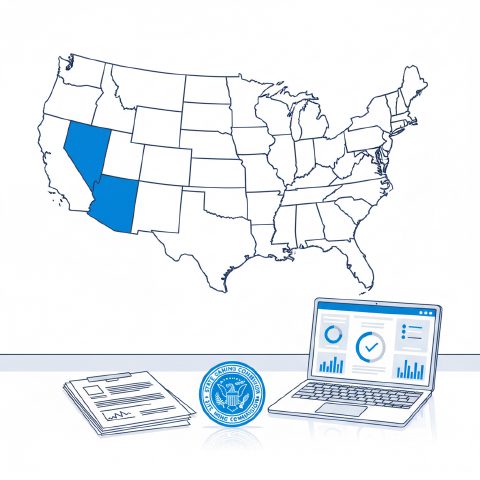
US iGaming Legal Map Interactive 7 vs 39 States
Only 7 US states have legalized real-money online casino gambling as of 2026, but the regulatory picture is shifting fast. Here is the operator-level breakdown of where you can launch, what it costs, and why the other 39 states still matter for your strategy.
 geo
geo
US Online Casino Legal States 2026 (7 vs 39)
Only 7 US states permit real-money online casino games in 2026, and each one runs a completely different licensing regime. This guide breaks down the legal map, realistic entry costs, and what operators considering how to start an online casino in the US actually need to know before spending a dollar.
 spoke
spoke
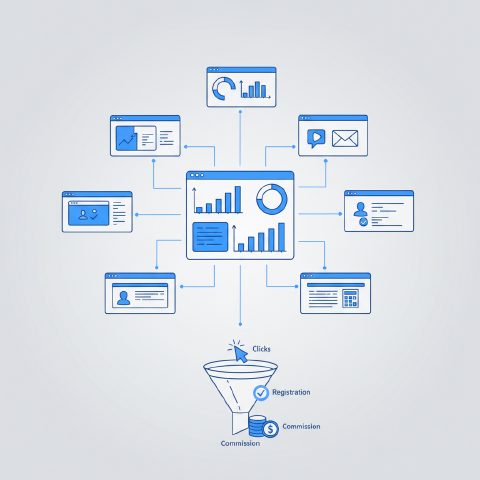
How to Launch Your Own Casino Affiliate Program
Launching a casino affiliate program is one of the highest-ROI acquisition channels available to operators, but most founders underestimate the software, compliance, and relationship overhead involved. This guide covers every decision point from platform selection to commission structure.
 spoke
spoke
iGaming Affiliate Tracking Solutions
Choosing an igaming tracking solution is one of the most consequential back-office decisions an operator makes before launch. This guide cuts through vendor marketing to show you what the software actually does, what it costs, and where programs quietly bleed money.
 comparison
CPA vs RevShare vs Hybrid in Casino Affiliates
Choosing the wrong commission model for your casino affiliate program can drain your acquisition budget or stall your affiliate channel entirely. This guide breaks down CPA, RevShare and Hybrid from the operator side, with real numbers and the trade-offs vendors rarely mention.
 spoke
spoke
Affiliate Marketing Software for iGaming Buyer Guide
Choosing affiliate marketing software for iGaming is one of the highest-leverage decisions a new operator makes. This guide cuts through vendor decks to show you what the platforms actually cost, where they fall short, and how to pick the right one for your market and license.
 spoke
spoke
Best iGaming Affiliate Software Compared
Choosing the wrong affiliate software costs you more than the license fee, it costs you attribution accuracy, partner trust, and revenue. This breakdown covers the top platforms operators are actually deploying in 2026, with honest notes on pricing, integration depth, and the features vendors bury in the small print.
 listicle
Best Casino Affiliate Programs 2026
Not every casino affiliate program is worth your traffic. This guide breaks down the top programs for 2026 by commission model, payment reliability, and operator reputation so you can make an informed decision before you commit.
 pillar
iGaming Affiliate Marketing Platforms Guide 2026
Choosing the wrong igaming affiliate marketing platform costs operators more than the software fee, it costs them compliance exposure, payment disputes, and affiliate churn. This guide breaks down what actually matters when evaluating platforms in 2026.
 glossary
Provably Fair Casino Gaming How It Works
Provably fair is the cryptographic backbone of credible crypto casino operations. This guide breaks down how the technology works, which providers implement it correctly, and what operators need to know before building it into their platform.
 glossary
NFT Casino and Blockchain Gaming Explained
NFT casinos layer token-based ownership and provably fair mechanics on top of traditional iGaming infrastructure, but the operational reality is far more complex than the vendor pitch. This guide cuts through the hype to show operators what actually matters at build time.
 spoke
spoke
White Label Crypto Casino Solutions and Cost
Launching a white label crypto casino looks deceptively simple on a vendor sales deck. This guide cuts through the pitch to show you actual cost ranges, the right provider shortlist, and the compliance decisions that will define your margins before you take a single bet.
 listicle
Best Bitcoin Casino Software Providers 2026
Choosing bitcoin casino software in 2026 means more than picking a platform with a crypto payment toggle. This guide ranks the top providers by architecture, provably fair tooling, licensing compatibility, and the costs vendors rarely put in their decks.
 spoke
spoke
How to Start a Crypto Casino Step-by-Step
Starting a crypto casino in 2026 means choosing the right jurisdiction, assembling a platform stack that handles both crypto and fiat, and avoiding the licensing shortcuts that get operators delisted by payment processors six months after launch.
 pillar
Bitcoin Casino Software Complete Guide 2026
Launching a crypto casino in 2026 means choosing between white-label speed and custom-build control, picking a software stack that handles provably fair games and multi-coin wallets, and getting licensed before your first deposit lands. This guide cuts through the vendor noise.
 geo
geo
Local Payment Methods for LATAM Casinos PIX SPEI PSE
PIX, SPEI, and PSE are not optional add-ons for LATAM casino operators, they are the primary rails your players actually use. This guide breaks down how each system works, what it costs, and how to integrate them without killing your conversion rate.
 spoke
spoke
Crypto Payment Gateway for Online Casino
Crypto payment gateways can solve real problems for online casino operators, faster settlements, lower chargebacks, access to underbanked markets, but the wrong integration can also land you in a compliance mess or bleed margin through hidden fees. Here's what actually matters before you sign a contract.
 spoke
spoke
Alternative Payment Solutions for iGaming
Alternative payment solutions are no longer a backup plan for iGaming operators, they're often the primary conversion lever. This guide breaks down every major APM category, the providers worth talking to, and the trade-offs vendors won't put in their pitch decks.
 listicle
Best iGaming Payment Providers 2026
Choosing the wrong casino payment provider in 2026 can quietly kill your conversion rate and freeze your withdrawals. This ranked guide cuts through vendor decks to show which igaming payment solutions actually perform, and what each one costs you.
 pillar
Online Casino Payment Gateway Guide 2026
Choosing the wrong online casino payment gateway can quietly kill your conversion rate and freeze your funds. This guide cuts through vendor sales decks to give operators the real picture on costs, compliance, provider selection and what to watch for in 2026.
 spoke
spoke
Online Gambling Merchant Account Complete Guide
Getting an online gambling merchant account is the single payment decision that can make or break your launch timeline. This guide cuts through the vendor pitch decks and tells you what the approval process actually looks like, what it costs, and where operators consistently get burned.
 spoke
spoke
iGaming Payment Solutions for Operators
Choosing the right iGaming payment solution is the single most operationally complex decision a new or scaling casino makes. This guide cuts through vendor marketing to show you what the stack actually costs, which providers survive bank scrutiny, and where operators quietly lose revenue.
 spoke
spoke
iGaming Payment Processing How It Works 2026
iGaming payment processing is the chain of technical and financial infrastructure that moves player funds from deposit to withdrawal, and in 2026 it remains the single most underestimated cost and complexity in launching an online casino. This guide breaks down every layer, from acquiring to crypto rails, with real provider names and honest trade-offs.
 glossary
RTP and RNG in Online Casino Games Explained
RTP and RNG are the mechanical backbone of every online casino game, and misunderstanding either one will cost you in player trust, regulator friction, and margin. Here is what operators actually need to know.
 spoke
spoke
Slot Games Providers for Operators 2026
Picking the wrong slot games provider is one of the most expensive mistakes an operator can make before launch. This guide breaks down how the supply chain actually works in 2026, which studios matter by market, and how to structure your content stack without overpaying.
 listicle
Live Dealer Casino Providers Compared
Choosing the wrong live casino provider is one of the most expensive mistakes an operator can make post-launch. This guide breaks down the real differences between Evolution, Pragmatic Play Live, Playtech, and others — costs, exclusivity, studio flexibility, and what vendors won't put in the deck.
 spoke
spoke
Online Casino Games API Integration Explained
Integrating an online casino games API sounds straightforward until you're three months in and your RGS is rejecting game launches. This guide cuts through the vendor pitch to show what integration actually costs, how long it takes, and which decisions quietly shape your margins.
 listicle
Best Casino Game Aggregators 2026 Reviewed
Choosing the right casino games aggregator is one of the highest-leverage decisions you'll make at launch. This review cuts through vendor marketing to compare the platforms operators actually use — with real figures on revenue share, integration timelines and content depth.
 glossary
What Is a Casino Aggregator
A casino aggregator is a B2B middleware layer that lets an operator access hundreds of game studios through a single API contract. Understanding exactly how that layer works — and what it costs you in revenue share — is one of the most consequential decisions you'll make before launch.
 pillar
Casino Games Aggregator Complete Guide 2026
A casino games aggregator sits between your platform and hundreds of game studios, giving operators a single API connection to thousands of titles. This guide breaks down how aggregators actually work, what they cost, who the real players are, and the trade-offs vendors won't put in their sales decks.
 spoke
spoke
Telegram Casino Software Development Guide
Telegram casino software development sits at the intersection of crypto payments, bot-driven UX, and a regulatory grey zone that's tightening fast. This guide breaks down what operators actually need to build, buy, or license a compliant, revenue-generating Telegram casino in 2026.
 spoke
spoke
iGaming Fraud Detection and Prevention Solutions
Fraud is the silent margin killer in online casino operations. This guide cuts through vendor marketing to show operators exactly which igaming fraud detection solutions work, what they cost, and where the gaps are that compliance teams discover too late.
 spoke
spoke
iGaming CRM Software for Player Retention
Choosing the right iGaming CRM software is one of the highest-leverage decisions a casino operator makes — and one of the most misunderstood. This guide cuts through vendor marketing to show what modern retention platforms actually do, what they cost, and where they quietly break down.
 spoke
spoke
Casino API Integration Guide for Operators
Casino API integration is the backbone of every modern online casino launch — but the gap between a vendor demo and a live, converting product is where operators lose time and money. This guide cuts through the noise.
 spoke
spoke
Multilingual iGaming Platform Why It Matters
Operators routinely treat multilingual support as a UI checkbox, then wonder why their LATAM or MENA rollout underperforms. This piece breaks down the real architecture, cost, and commercial logic behind a properly localized iGaming platform in 2026.
 spoke
spoke
Custom Casino Software Development When to Build
Custom casino software development can deliver a genuine competitive edge, but most operators who pursue it underestimate the cost, timeline, and ongoing maintenance burden. This guide breaks down when building makes sense and when it doesn't.
 glossary
What Is PAM Software in iGaming
PAM software is the operational backbone of any online casino — it manages player accounts, KYC, bonusing, payment routing, and compliance in one system. This guide breaks down exactly what it does, what it costs, and how to choose the right one for your launch.
 glossary
Casino Management System for Online Casinos Explained
A casino management system (CMS) is the back-office engine that ties together player accounts, game content, payments, bonusing, reporting, and compliance tools — without it, you're not running a casino, you're running a spreadsheet. This guide breaks down every layer of the stack for operators evaluating their first build or an upgrade.
 spoke
spoke
How to Choose an iGaming Software Provider
Choosing the wrong iGaming software provider can cost you six figures and six months you'll never get back. This guide cuts through vendor marketing to give operators the framework they actually need.
 spoke
spoke
iGaming Software Development Cost and Process
iGaming software development spans everything from a $15K white-label skin to a $1M+ custom platform build — and the gap between those options isn't just budget, it's control, speed-to-market and long-term margin. Here's how to think through it before you sign anything.
 listicle
Best iGaming Software Providers 2026 Compared
Choosing the wrong iGaming software provider can cost you six months and six figures in rework. This ranked breakdown cuts through the sales decks to show what each platform actually delivers — and where each one quietly falls short.
 pillar
iGaming Software Providers Ultimate Guide 2026
Choosing the right iGaming software provider is the single decision that sets your ceiling on margins, speed-to-market and regulatory flexibility. This guide cuts through the vendor pitch decks to show you what the stack actually costs, where operators get burned, and how to match a platform to your market.
 spoke
spoke
Hidden Costs of Starting an Online Casino
Launching an online casino looks cheaper on vendor decks than it actually is. This breakdown exposes the hidden costs — from integration fees to compliance retainers — that routinely blow first-year budgets for new operators.
 spoke
spoke
Online Casino Software Price What You Really Pay
Online casino software pricing is rarely what vendors quote on a discovery call. This breakdown covers every cost layer — platform, games, payments, compliance and infrastructure — so you can build an honest budget before you sign anything.
 spoke
spoke
White Label Casino Cost Full Pricing Breakdown
White label casino solutions look affordable until you read the contract. This breakdown covers every real cost layer — setup, licensing, platform fees, revenue share, payments and compliance — so you can model a launch budget before you sign anything.
 pillar
How Much Does It Cost to Start an Online Casino 2026
Starting an online casino in 2026 costs anywhere from $30,000 for a bare-bones white-label to well over $2 million for a licensed, custom-built operation — and the gap between those figures comes down to decisions most founders make before they fully understand the consequences.
 spoke
spoke
How to Start a White Label Casino in 7 Steps
Starting a white label casino is faster and cheaper than a custom build, but the decisions you make in the first 90 days quietly determine whether you profit or bleed cash. This guide walks through every step operators actually need — with real costs, provider names and the pitfalls vendors skip over.
 spoke
spoke
Cheapest and Free White Label Casino Options Debunked
Every vendor promises a 'free' or ultra-cheap white label casino. Marcus Cole dissects what those offers actually include, what they quietly exclude, and where the real costs hit operators six months into a launch.
 spoke
spoke
White Label Casino App Build vs Buy
Launching a mobile casino in 2026 means choosing between a white label casino app from an established platform provider or commissioning a custom build — a decision that quietly determines your margins, speed to market, and long-term flexibility.
 listicle
White Label Casino Providers List 2026 Reviewed
Not every white-label platform deserves your six-figure commitment. This 2026 review cuts through vendor decks to rank the providers operators actually launch and scale with — covering costs, licensing support, game aggregation and the red flags nobody puts in their sales pitch.
 comparison
White Label vs Turnkey vs Custom Casino Compared
Choosing between a white label, turnkey, or custom casino build is the single most consequential decision you'll make before launch. This breakdown cuts through vendor sales decks to give you the real costs, timelines, and trade-offs.
 glossary
What Is a White Label Casino Definition and How It Works
A white label casino is a pre-built, licensed gambling platform you brand as your own — renting infrastructure instead of building it. This guide cuts through the vendor pitch to show you exactly how the model works, what it costs, and where operators quietly lose margin.
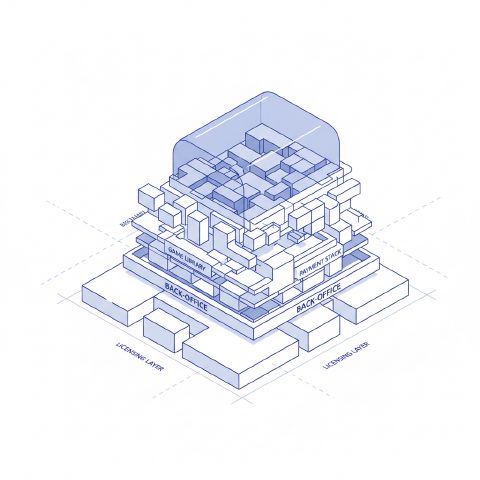 pillar
White Label Casino Solutions Full Guide 2026
White label casino solutions let operators launch a branded online casino on a third-party platform in weeks rather than months, but the real costs, revenue-share structures and licensing constraints are rarely what the sales deck suggests. This guide cuts through the noise.
 geo
geo
How to Start an Online Casino in the US 2026
Launching a legal online casino in the US in 2026 means navigating a patchwork of state licenses, six-figure platform costs, and payment rails that still break at the worst moments. This guide cuts through the vendor pitch decks and tells you what the process actually looks like.
 comparison
How to Start an Online Casino Like Bet365
Bet365 took decades and hundreds of millions to build. You don't need to replicate that — but you do need to understand what made it work, and which parts of that model you can actually execute in 2026 with the right platform, license, and payment stack.
 spoke
spoke
Best Countries to Open an Online Casino in 2026
Choosing the right jurisdiction for your online casino launch in 2026 is the single decision that shapes your banking access, player reach, tax bill and compliance overhead for years. This breakdown cuts through vendor marketing to give you honest cost, timeline and risk data for every major option.
 spoke
spoke
Start Your Own Online Casino for Free Myth vs Reality
The phrase 'start your own online casino for free' floods operator forums and vendor landing pages, but zero-cost casino launches don't exist. Here's exactly where the money goes and what you can legitimately defer.
 spoke
spoke
Online Casino Business Plan Template and Model
A credible online casino business plan does more than satisfy investors — it forces you to stress-test your cost structure, licensing path and revenue assumptions before you wire a single dollar to a vendor. This guide gives you the real template.
 spoke
spoke
How to Open an Online Casino The Complete Guide
Opening an online casino in 2026 means making a dozen irreversible technology and licensing decisions before you take a single bet. This guide breaks down every layer of the stack — platform, aggregator, payments, compliance — so you choose the right vendors, not just the cheapest ones.
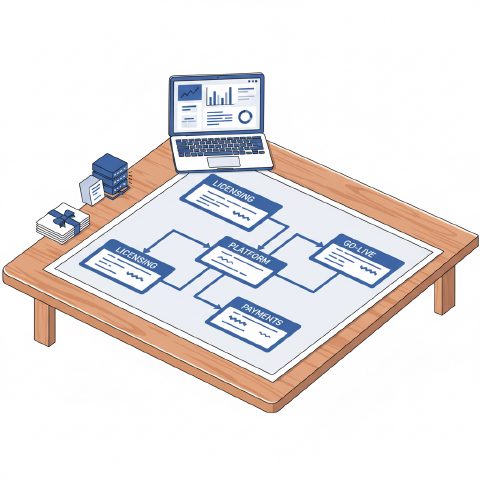 pillar
How to Start an Online Casino in 2026 Step-by-Step
Starting an online casino in 2026 means making a sequence of platform, licensing and payment decisions that compound on each other — get the stack wrong early and you're rebuilding six months in. This guide walks through every major choice in order, with real provider names, cost ranges and the trade-offs vendors rarely put in their pitch decks.
 listicle
Best iGaming Software Providers 2026
Choosing the wrong iGaming software provider in 2026 can cost you six months and six figures before you serve a single bet. This comparison-driven guide breaks down the top platforms, aggregators, payment stacks and vendor contracts so you pick the right stack for your market and model.
 pillar
How Much Does It Cost to Start an Online Casino
Starting an online casino in 2026 means choosing between radically different technology stacks — and the cost difference between a white-label and a custom build can exceed $1 million before you sign a single player. This breakdown gives you real figures, provider comparisons, and the hidden costs vendors rarely mention upfront.
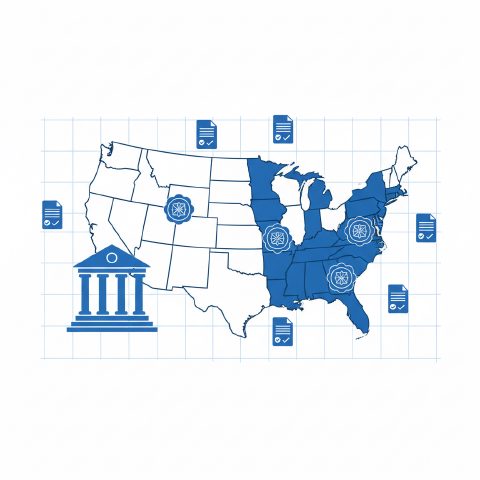 geo
geo
US Online Casino Legal States 2026
Six US states have fully regulated online casino markets in 2026, each with its own licensing body, technical standards, and platform certification requirements. This guide cuts through the noise to show operators exactly which markets are open, what the stack looks like, and where the real entry costs hide.
 spoke
spoke
iGaming Payment Processing
Getting iGaming payment processing right means choosing the correct cashier platform, PSPs that actually approve gambling merchants, and a payment mix that converts across your target markets — before you sign a platform contract you can't easily exit.
 pillar
How to Start an Online Casino
Starting an online casino in 2026 means making a sequence of high-stakes technology and vendor decisions before you ever apply for a license. This guide breaks down every layer of the stack — platform, aggregator, payments, compliance tooling — so you can evaluate options like an operator, not a tourist.
What operators say
The most operator-focused iGaming resource I have found — zero vendor spin.
Sharp, current analysis on payments and crypto rails. Genuinely useful.
Their licensing breakdowns are accurate and refreshingly direct.