iGaming Hub's Complete Guide to Online Casino Payment Gateways in 2026
Choosing the wrong online casino payment gateway is one of the most expensive mistakes a new operator can make. This guide cuts through the vendor noise to give you the real costs, provider trade-offs, and compliance requirements that determine whether your payment stack converts — or kills your launch.
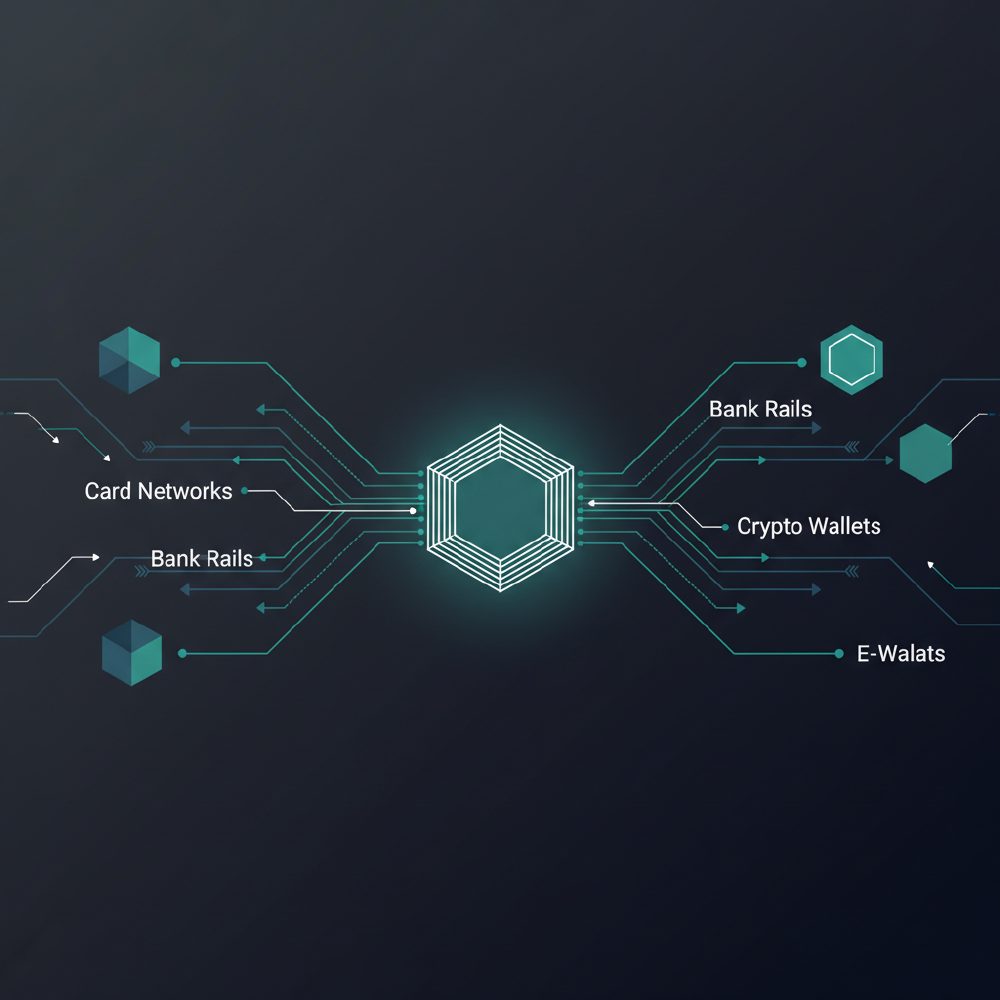
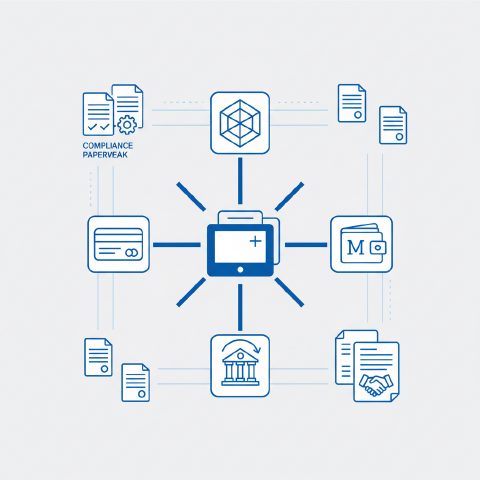
An online casino payment gateway is a technology layer that routes, authorizes, and settles financial transactions between a player's funding source and the operator's merchant account. Unlike standard e-commerce gateways, it must handle high-risk merchant classification, real-time fraud scoring tuned for gambling patterns, bonus-abuse detection, and multi-currency settlement — all under gambling-specific regulatory scrutiny.
Costs break down into MDR (merchant discount rate), fixed per-transaction fees, setup fees, monthly minimums, and rolling reserves. For card processing in gambling, expect MDRs of 3–8% depending on jurisdiction and card type. E-wallets run 1–3%. Crypto processors charge 0.5–1.5%. Rolling reserves of 5–10% held for 90–180 days are standard and represent a real cash-flow burden that operators routinely underestimate.
The dominant names in iGaming payment processing are Nuvei, Paysafe (Skrill/Neteller/paysafecard), CoinsPaid for crypto, Trustly for open banking in Europe, and regional aggregators like PayRetailers for LATAM. Platform-bundled payment layers from SoftSwiss and EveryMatrix handle a lot of white-label volume. There is no single best provider — the right stack depends on your licensed jurisdictions and target player geography.
Your license jurisdiction is the single biggest determinant of which processors will onboard you. MGA and UKGC licenses open doors to Tier-1 acquirers. Curaçao and Anjouan licenses are accepted by a narrower set of high-risk specialists. US state licenses (NJ DGE, PA PGCB, MI MGCB) require processors certified in that state. Attempting to use a processor not approved for your jurisdiction is a compliance violation that can cost you the license.
Crypto payments in iGaming require the same AML controls as fiat — transaction monitoring, wallet screening against sanctions lists, and source-of-funds verification above defined thresholds. Using a compliant crypto payment processor like CoinsPaid or Coinspaid that performs on-chain analytics (via Chainalysis or Elliptic integrations) is the baseline. Operators who treat crypto as an AML-free shortcut are building a liability that regulators are increasingly equipped to find.
Realistically, 8–16 weeks from application to live processing for a card acquirer. E-wallet agreements with Skrill or Neteller run 4–8 weeks. Crypto gateways are fastest at 2–4 weeks. The bottleneck is almost always the merchant underwriting process — document requirements are extensive and acquirers frequently come back with follow-up requests that add weeks. Plan your launch date around this, not around your platform readiness.
Payment conversion in iGaming is typically 60–80% for card deposits on a well-optimized stack — meaning 20–40% of deposit attempts fail. The main levers are: cascading (routing declined transactions to a secondary acquirer), 3DS optimization, local acquiring where possible, and reducing friction in the deposit flow. A 5% improvement in authorization rate on meaningful volume translates directly to revenue.
The most damaging mistakes are: launching with a single payment provider and no fallback, underestimating rolling reserve cash-flow impact, ignoring chargeback ratio management until you're in a fine program, and building a payment stack for your target geography rather than your actual player acquisition reality. Each of these has ended or severely damaged launches I've watched from the inside.
Explore the launch guides
 geo
geo
Local Payment Methods for LATAM Casinos PIX SPEI PSE
PIX, SPEI, and PSE are not optional add-ons for LATAM casino operators, they are the primary rails your players actually use. This guide breaks down how each system works, what it costs, and how to integrate them without killing your conversion rate.
 spoke
spoke
Crypto Payment Gateway for Online Casino
Crypto payment gateways can solve real problems for online casino operators, faster settlements, lower chargebacks, access to underbanked markets, but the wrong integration can also land you in a compliance mess or bleed margin through hidden fees. Here's what actually matters before you sign a contract.
 spoke
spoke
Alternative Payment Solutions for iGaming
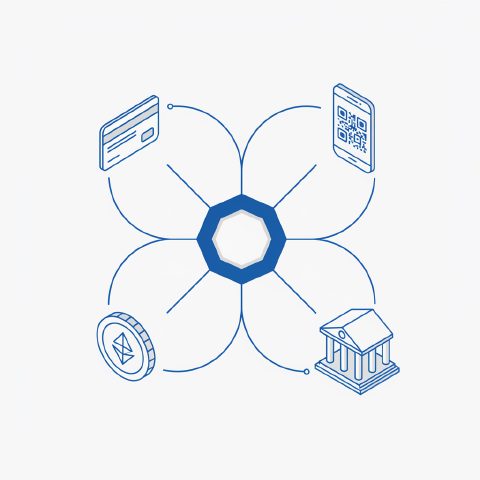
Alternative payment solutions are no longer a backup plan for iGaming operators, they're often the primary conversion lever. This guide breaks down every major APM category, the providers worth talking to, and the trade-offs vendors won't put in their pitch decks.
 listicle
Best iGaming Payment Providers 2026
Choosing the wrong casino payment provider in 2026 can quietly kill your conversion rate and freeze your withdrawals. This ranked guide cuts through vendor decks to show which igaming payment solutions actually perform, and what each one costs you.
 pillar
Online Casino Payment Gateway Guide 2026
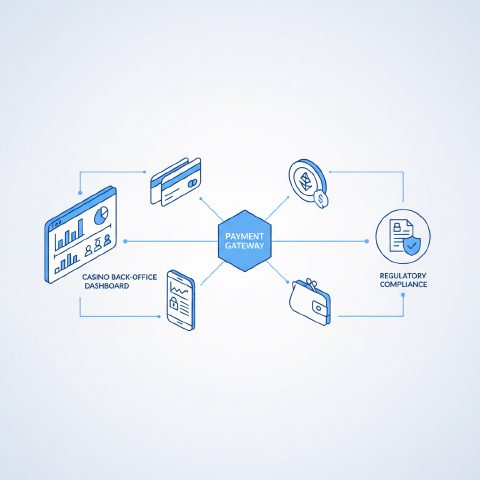
Choosing the wrong online casino payment gateway can quietly kill your conversion rate and freeze your funds. This guide cuts through vendor sales decks to give operators the real picture on costs, compliance, provider selection and what to watch for in 2026.
 spoke
spoke
Online Gambling Merchant Account Complete Guide
Getting an online gambling merchant account is the single payment decision that can make or break your launch timeline. This guide cuts through the vendor pitch decks and tells you what the approval process actually looks like, what it costs, and where operators consistently get burned.
 spoke
spoke
iGaming Payment Solutions for Operators
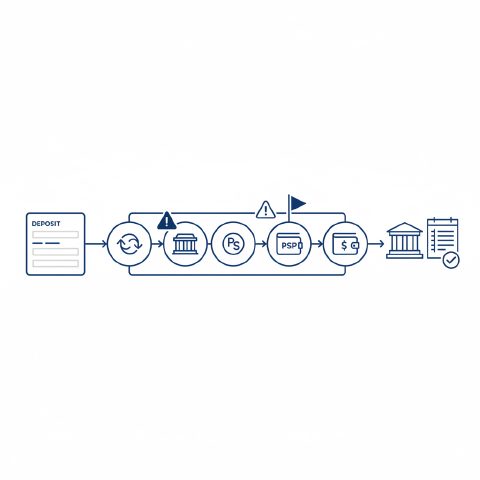
Choosing the right iGaming payment solution is the single most operationally complex decision a new or scaling casino makes. This guide cuts through vendor marketing to show you what the stack actually costs, which providers survive bank scrutiny, and where operators quietly lose revenue.
 spoke
spoke
iGaming Payment Processing How It Works 2026
iGaming payment processing is the chain of technical and financial infrastructure that moves player funds from deposit to withdrawal, and in 2026 it remains the single most underestimated cost and complexity in launching an online casino. This guide breaks down every layer, from acquiring to crypto rails, with real provider names and honest trade-offs.
 spoke
spoke
iGaming Payment Processing
Getting iGaming payment processing right means choosing the correct cashier platform, PSPs that actually approve gambling merchants, and a payment mix that converts across your target markets — before you sign a platform contract you can't easily exit.
Get our 2026 cost & licensing breakdown by email.