How to Start an Online Casino in 2026: The Operator's Real-World Playbook — Built for Founders Who Are Actually Doing It
Starting an online casino in 2026 requires navigating licensing, platform architecture, game aggregation, payment processing and compliance — this playbook covers every decision point with real figures and operator-tested recommendations.
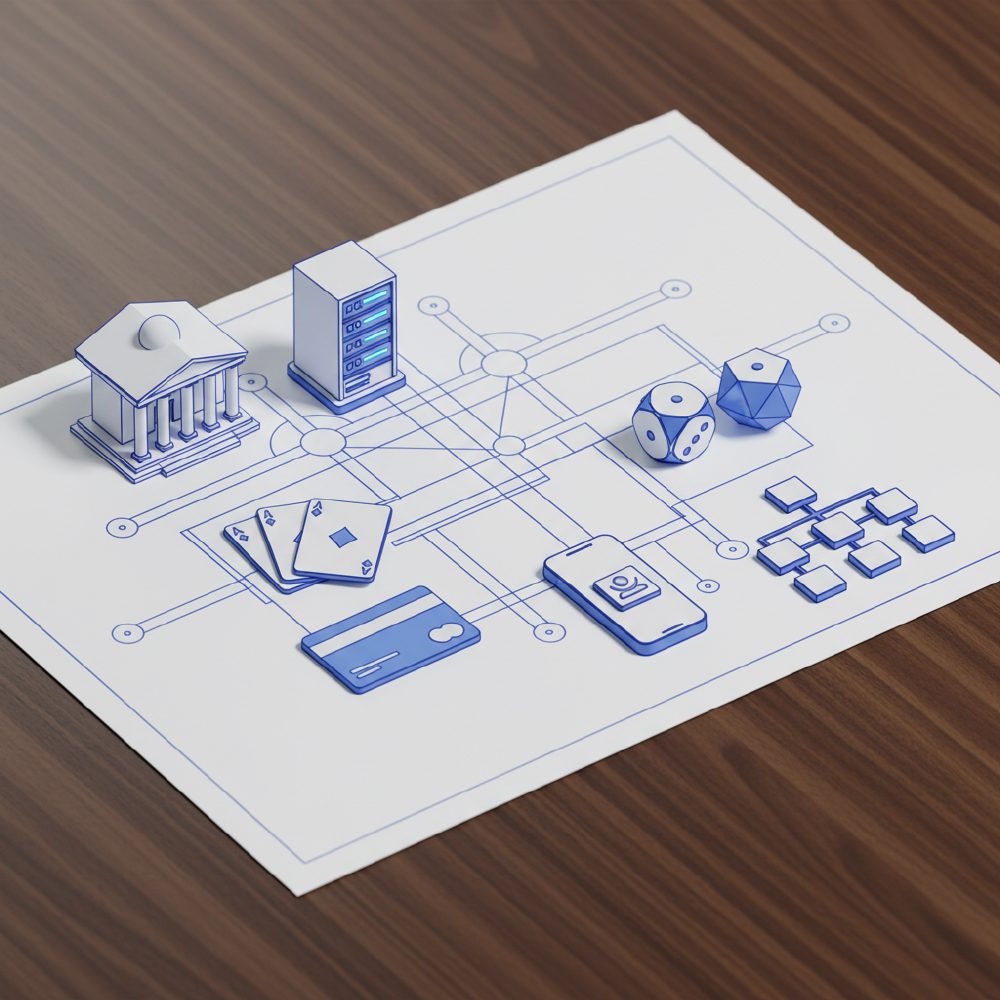
The honest range is $80,000 to well over $1 million depending on jurisdiction, platform model and market. An offshore white-label on a Curaçao sub-license sits at the low end; a Malta Gaming Authority (MGA) licensed turnkey build with a full compliance team sits at the high end. Most founders I talk to underestimate costs by 40–60% before they see their first real vendor contract.
For most new operators launching in 2026, Curaçao is still the pragmatic starting point despite its 2023–2024 regulatory overhaul. It's not glamorous, but it's functional, globally recognized by most payment processors, and achievable in 3–5 months. MGA and UKGC are aspirational targets for operators who already have capital, compliance staff and a proven product — not for first launches.
White-label gets you live in 4–8 weeks and is the right call if you're validating a market or brand with limited capital. Turnkey gives you more control and better unit economics once you're past $500,000 GGR/month. Custom builds are for operators who have already proven their model and need to own their tech stack — not for anyone launching for the first time.
Your game library strategy comes down to one decision: game aggregator or direct studio deals. For most new operators, a single aggregator with 5,000–10,000 titles is the right starting point. Direct deals with top studios like Pragmatic Play or Evolution Gaming only make economic sense once you have the volume to negotiate meaningful terms — typically $200,000+ GGR/month.
At minimum you need one card processor, one crypto gateway, and one regional e-wallet relevant to your primary market. That's not optional — single-processor dependency is the fastest way to have your operation go dark overnight. Crypto-first stacks are increasingly viable in 2026, but abandoning fiat entirely still costs you 30–40% of addressable players in most markets.
Even on an offshore Curaçao license, you are legally required to implement AML screening, KYC verification and responsible gambling tools in 2026. This is not theoretical — the GCB's updated framework explicitly requires it, and payment processors will audit your compliance documentation before onboarding you. Operators who treat compliance as a checkbox get their accounts terminated.
Most offshore operators use a two-entity structure: a holding company in a low-tax jurisdiction (BVI, Seychelles, or Cyprus) that owns the license entity, which is typically incorporated in the license jurisdiction (Curaçao or Anjouan). This separates IP and capital from operational liability and is standard practice — your licensing lawyer will recommend it, and your payment processors will expect it.
A well-executed offshore white-label launch takes 3–6 months from the decision to go ahead to accepting first deposits. The licensing process runs in parallel with platform setup, so the critical path is usually the license approval timeline, not the technical build. Operators who try to compress this below 3 months typically cut corners on compliance that cause problems later.
Affiliate marketing remains the dominant acquisition channel for online casinos in 2026 — it's performance-based, scalable and the infrastructure (affiliate networks, tracking platforms) is mature. Paid media works for operators with strong brand budgets and compliant creatives, but the compliance requirements around gambling advertising have tightened significantly in most markets.
The most expensive mistake is underestimating compliance costs and timelines — specifically, treating KYC, AML, responsible gambling and payment processor due diligence as afterthoughts rather than launch-critical infrastructure. The second most expensive is signing a white-label revenue-share deal without modeling what that percentage costs at scale.
Explore the launch guides
 geo
geo
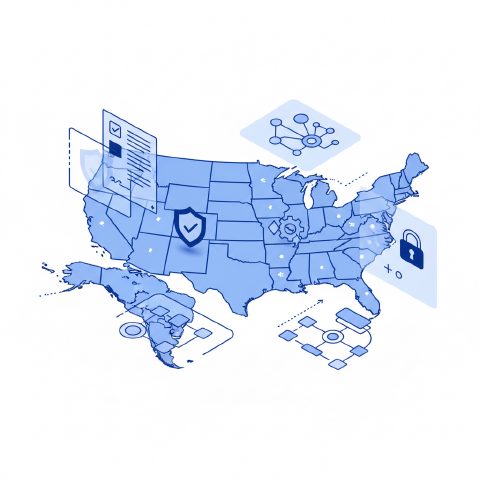
How to Start an Online Casino in the US 2026
Launching a legal online casino in the US in 2026 means navigating a patchwork of state licenses, six-figure platform costs, and payment rails that still break at the worst moments. This guide cuts through the vendor pitch decks and tells you what the process actually looks like.
 comparison
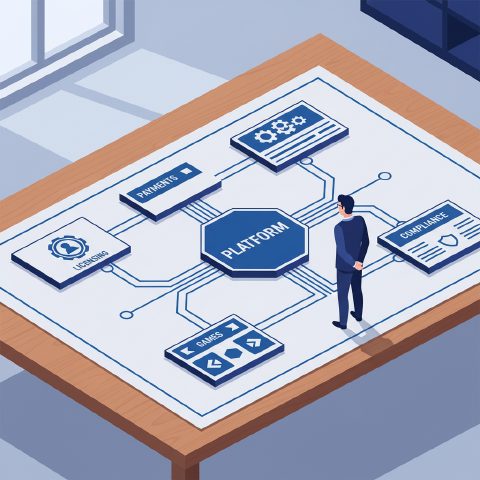
How to Start an Online Casino Like Bet365
Bet365 took decades and hundreds of millions to build. You don't need to replicate that — but you do need to understand what made it work, and which parts of that model you can actually execute in 2026 with the right platform, license, and payment stack.
 spoke
spoke
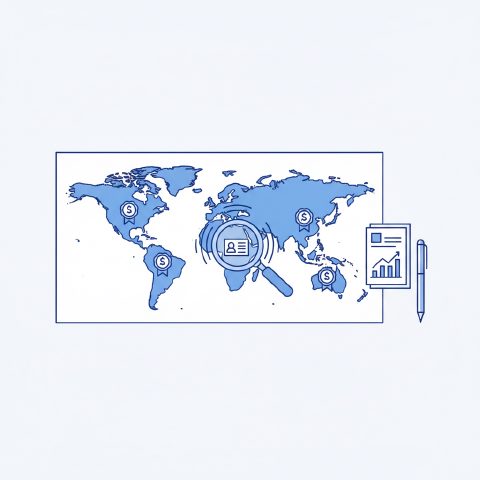
Best Countries to Open an Online Casino in 2026
Choosing the right jurisdiction for your online casino launch in 2026 is the single decision that shapes your banking access, player reach, tax bill and compliance overhead for years. This breakdown cuts through vendor marketing to give you honest cost, timeline and risk data for every major option.
 spoke
spoke
Start Your Own Online Casino for Free Myth vs Reality
The phrase 'start your own online casino for free' floods operator forums and vendor landing pages, but zero-cost casino launches don't exist. Here's exactly where the money goes and what you can legitimately defer.
 spoke
spoke
Online Casino Business Plan Template and Model
A credible online casino business plan does more than satisfy investors — it forces you to stress-test your cost structure, licensing path and revenue assumptions before you wire a single dollar to a vendor. This guide gives you the real template.
 spoke
spoke
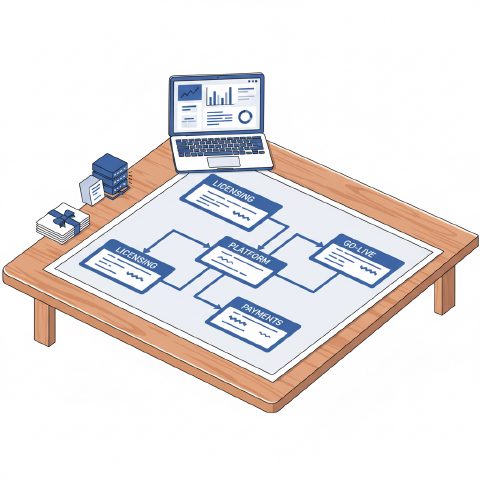
How to Open an Online Casino The Complete Guide
Opening an online casino in 2026 means making a dozen irreversible technology and licensing decisions before you take a single bet. This guide breaks down every layer of the stack — platform, aggregator, payments, compliance — so you choose the right vendors, not just the cheapest ones.
 pillar
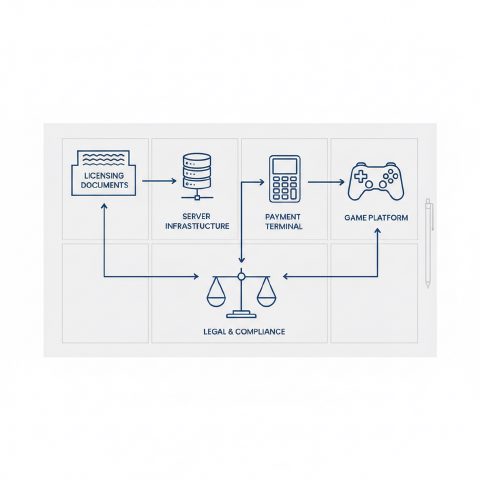
How to Start an Online Casino in 2026 Step-by-Step
Starting an online casino in 2026 means making a sequence of platform, licensing and payment decisions that compound on each other — get the stack wrong early and you're rebuilding six months in. This guide walks through every major choice in order, with real provider names, cost ranges and the trade-offs vendors rarely put in their pitch decks.
 pillar
How to Start an Online Casino
Starting an online casino in 2026 means making a sequence of high-stakes technology and vendor decisions before you ever apply for a license. This guide breaks down every layer of the stack — platform, aggregator, payments, compliance tooling — so you can evaluate options like an operator, not a tourist.
Get our 2026 cost & licensing breakdown by email.