Best Bitcoin Casino Software Providers for 2026: The Operator's Shortlist
What makes a bitcoin casino software provider genuinely worth shortlisting in 2026?
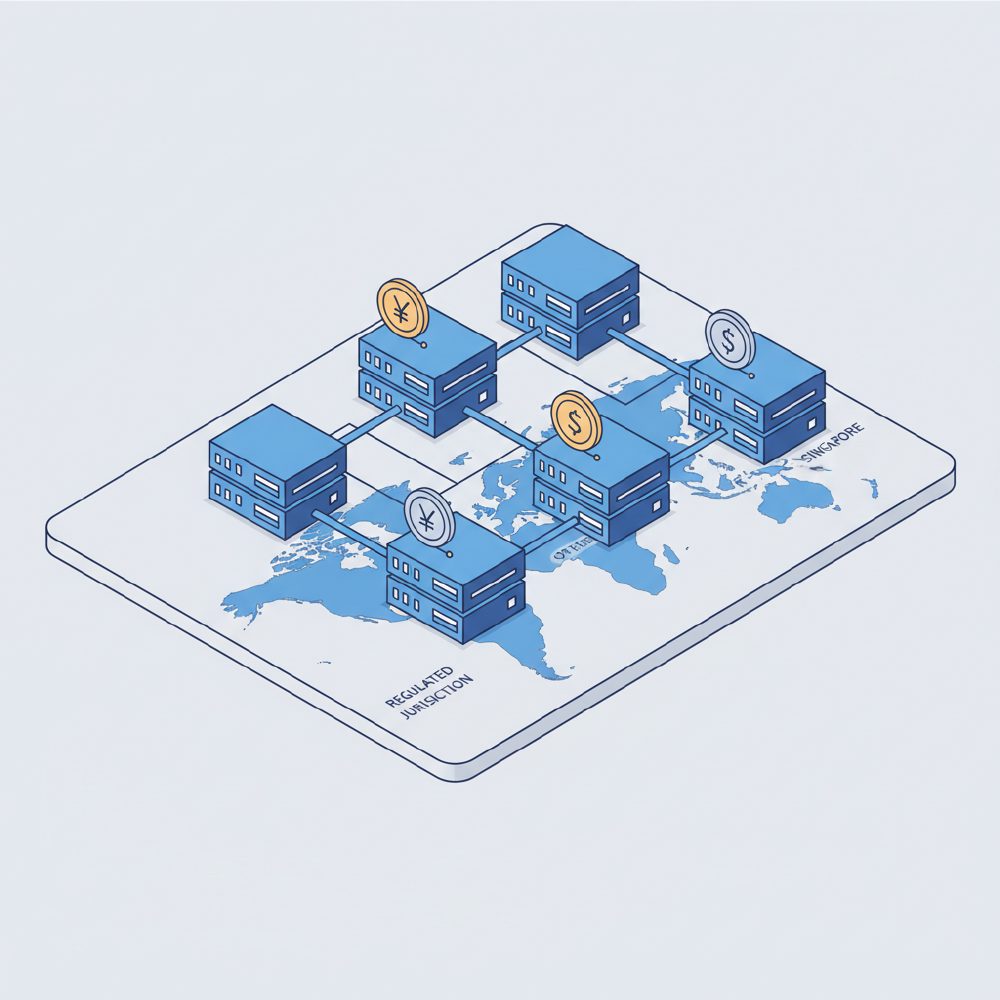
A provider earns a spot on this list by combining native crypto wallet infrastructure, a provably fair RNG layer, multi-chain settlement support, and a licensing footprint that does not box you into a single jurisdiction. Bolt-on crypto plugins sitting on top of fiat-first platforms consistently underperform on conversion and compliance audits.
The gap between a real bitcoin casino platform and a fiat platform with a crypto payment method added on top is enormous in practice. Native platforms manage wallets at the address level, settle on-chain in real time, and expose provably fair seed verification to the player without routing through a third-party processor. Bolt-on solutions typically convert crypto to fiat at the payment gateway, which means the operator carries FX risk, loses the provably fair narrative, and often violates the spirit of crypto-specific licensing conditions.
For 2026, I also weight providers on multi-chain support. Bitcoin is still the brand, but the majority of crypto casino volume now runs on Ethereum, BNB Chain, Tron (USDT), and Litecoin. A platform that only processes BTC and ETH is leaving 30-40% of depositing users on the table, based on wallet data I have reviewed from mid-tier operators. Solana and Polygon are growing fast in the under-35 demographic too, so forward-looking infrastructure matters.
Licensing compatibility is the third filter. Some platforms are architecturally designed for Curaçao sub-licenses and will require expensive custom work to satisfy MGA or UKGC technical standards. Know which regulatory ceiling your platform can reach before you commit. Switching platforms post-launch is a six-figure rebuild and a six-month delay minimum.
Which providers top the list of best bitcoin casino software in 2026?
SoftSwiss Casino Platform, EveryMatrix CasinoEngine, Slotegrator, Inbet Games, and BetConstruct are the five providers with the deepest crypto-native feature sets and the widest operator reference lists as of 2026. Each targets a different operator profile by budget, jurisdiction, and customization appetite.
SoftSwiss remains the most cited name in crypto casino circles for good reason. The platform was built crypto-first in 2008 and the architecture shows it: wallet management, provably fair certification, and on-chain settlement are core modules, not add-ons. Their white-label product (branded as SOFTSWISS White Label) can launch in around 8 weeks under their Curaçao master license. GGR revenue share sits in the 15-20% range depending on volume tiers. The trade-off is that SoftSwiss is selective about who they onboard and their compliance team will push back on gray-market business models.
EveryMatrix CasinoEngine is the stronger choice if you expect to scale into regulated EU markets. Their platform is MGA-certified, integrates with over 12,000 game titles through their GameHub aggregator, and supports crypto payments via a growing set of PSP partnerships rather than native on-chain wallets. That is a meaningful distinction: EveryMatrix is a fiat-first platform that handles crypto well, not a crypto-native one. Setup fees start around EUR 25,000-50,000 for a white-label engagement, with GGR revenue share in the 20-25% band.
Slotegrator punches above its price point for operators entering LATAM and CIS markets. Their APIgrator integration aggregates 10,000-plus games, their turnkey casino solution includes a crypto wallet module, and their licensing support team has genuine experience with Curaçao, Anjouan, and Isle of Man applications. Pricing is more transparent than most competitors: a turnkey package starts around USD 30,000-60,000 as a one-time fee, with ongoing revenue share on games. For operators who want to own more of their stack early, Slotegrator's model is attractive.
Inbet Games and BetConstruct are worth including for operators building sportsbook-plus-casino products. Both have native crypto wallet layers, strong sportsbook engines, and flexible licensing support. BetConstruct in particular has a proven track record in Africa and Asia where crypto adoption is high and fiat banking is unreliable. Neither is as polished on the casino-only product as SoftSwiss, but if sports betting is a meaningful revenue line, the integrated product is worth the trade-off.
| Provider | Architecture | Crypto Wallet Type | Typical Setup Cost | GGR Rev Share | Best Fit Jurisdiction |
|---|---|---|---|---|---|
| SoftSwiss | Crypto-native | On-chain, multi-coin | Rev share only (WL) | 15-20% | Curaçao, Anjouan |
| EveryMatrix CasinoEngine | Fiat-first, crypto-capable | PSP-routed | EUR 25k-50k + rev share | 20-25% | MGA, EU regulated |
| Slotegrator | Hybrid | Native crypto module | USD 30k-60k one-time | Rev share on games | Curaçao, Isle of Man, LATAM |
| BetConstruct | Hybrid (sports+casino) | On-chain, multi-coin | USD 40k-80k | Negotiable | Anjouan, Africa, Asia |
| Inbet Games | Hybrid (sports+casino) | On-chain | USD 20k-50k | 15-22% | Curaçao, CIS, LATAM |
What is the real cost of bitcoin casino software, including the fees vendors bury in the contract?
Budget USD 30,000-150,000 for setup depending on the model, then add ongoing GGR revenue share of 15-25%, game content fees of 3-7% of GGR, payment processing of 0.5-2% per transaction, and a licensing cost of USD 15,000-30,000 per year for Curaçao or Anjouan. Most operators underestimate total year-one costs by 40-60%.
The revenue share model is where operators get burned most consistently. A 20% GGR share looks manageable at USD 50k monthly GGR (you keep USD 40k). At USD 500k monthly GGR, you are writing a USD 100k check to your platform provider every month. That is the moment operators wish they had negotiated harder or chosen a license-and-own model. Always model your rev share against a 12-month growth projection before signing, not against your launch-month estimate.
Game content fees are a second hidden layer. Aggregators like SoftSwiss's GameHub or EveryMatrix's GameHub charge a content fee on top of the platform rev share. This typically runs 3-7% of GGR generated by aggregated titles. If you are running a casino where 80% of GGR comes from slots (which is normal), that content fee is a massive number. Some providers bundle it into the platform rev share; others invoice it separately. Read the contract line by line.
Payment processing for crypto is cheaper than fiat card processing in absolute terms, but it is not free. On-chain settlement has miner fees that vary with network congestion. Custodial crypto processors like CoinsPaid or B2BinPay charge 0.5-1% per transaction. If you are running a high-volume, low-margin operation, those basis points matter. Also factor in the cost of a hot wallet management system and the security infrastructure around it. A cold storage custody setup for a mid-tier operator runs USD 10,000-30,000 to implement properly.
Licensing is the cost most first-time operators underestimate. A Curaçao Gaming Authority (CGA) license under the new 2023 framework costs approximately USD 17,000-22,000 in application and annual fees. Anjouan (ACCS) runs slightly lower at USD 10,000-15,000. Neither includes the cost of a local registered agent (USD 3,000-8,000 per year), AML compliance software (USD 5,000-20,000 per year), and the technical audit required at renewal. Total year-one compliance spend for a lean crypto operator is realistically USD 35,000-60,000.
White-label vs. turnkey vs. custom build: which bitcoin casino software model fits your situation?
White-label is fastest to market (6-10 weeks) and lowest upfront cost, but you sacrifice margin and control permanently. Turnkey gives you a licensable product you own but takes 4-9 months and USD 80,000-250,000 to build. Custom development is for operators with deep pockets and a specific product vision, budget USD 500,000 and 12-18 months minimum.
White-label under a master license (SoftSwiss and Slotegrator both offer this) is the right call for operators who want to test a market before committing capital. You get the platform, the games, the payment stack, and the license all bundled. The downside is structural: you are a tenant on someone else's infrastructure. Your data access is limited, your product roadmap is dictated by the provider, and your rev share never decreases no matter how big you grow. I have seen operators stuck in white-label agreements generating USD 1M+ monthly GGR and paying USD 200k per month to a platform provider for infrastructure that would cost USD 20k to run independently.
Turnkey is the middle path and the one I recommend most often for operators who have raised a seed round or have a profitable affiliate business to fund the build. You get a production-ready platform, you own the license, and after 12-18 months of operation you can renegotiate or migrate off the underlying technology. The catch is that 'turnkey' means different things to different vendors. Some providers use it to mean a white-label with a custom skin. A genuine turnkey includes source code escrow, a license in your name, and a documented handover of the back-office. Insist on all three in the contract.
Custom builds make sense for operators entering a regulated market like New Jersey or Pennsylvania where the technical standards (NJDGE or Pennsylvania Gaming Control Board requirements) are specific enough that off-the-shelf platforms need heavy modification anyway. In that context, paying for a custom build on a proven engine (like OpenBet or SG Digital for sports, or a bespoke RGS for casino) is more cost-effective than paying a vendor to retrofit their product. For crypto-only offshore operators, custom builds are almost never justified at launch.
| Model | Time to Launch | Upfront Cost | Ongoing Cost | Ownership | Best For |
|---|---|---|---|---|---|
| White-Label | 6-10 weeks | Low (USD 5k-20k) | High (15-25% GGR) | None | Market testing, first-time operators |
| Turnkey | 4-9 months | Medium (USD 80k-250k) | Medium (game rev share) | Full | Funded operators, second launches |
| Custom Build | 12-18 months | High (USD 500k+) | Low (infra costs only) | Full | Regulated markets, unique product vision |
Which licenses are compatible with the top bitcoin casino software platforms in 2026?
Curaçao (CGA) and Anjouan (ACCS) are the most widely supported licenses across crypto-native platforms, with typical approval in 8-16 weeks. Isle of Man and Malta (MGA) require more technical compliance work but unlock EU payment processing and premium game studios. US state licenses are essentially incompatible with offshore crypto platforms as they stand today.
Curaçao Gaming Authority reformed its licensing framework in 2023, moving from a master-license sublicense model to direct operator licenses. As of 2026, all new Curaçao applications go through the CGA directly. The new framework requires AML/KYC policies, a local representative, and a technical audit of the platform. Most of the major bitcoin casino software providers (SoftSwiss, Slotegrator, BetConstruct) have pre-certified their platforms with CGA, which significantly shortens the technical review. Budget 10-14 weeks for approval under the new framework, not the 4-6 weeks the old sublicense model allowed.
Anjouan (administered by the Anjouan Council for Commerce and Industry, ACCS) has grown in popularity as a Curaçao alternative because the fees are lower and the process is slightly faster. Several platform providers now explicitly list Anjouan compatibility. The regulatory oversight is lighter than CGA, which is a trade-off: you get a faster, cheaper license, but it carries less reputational weight with payment processors and game studios. If you plan to negotiate direct deals with Pragmatic Play or Evolution, a CGA or MGA license will open more doors than Anjouan.
MGA (Malta Gaming Authority) is the gold standard for EU-facing operators and is required by most Tier 1 game studios as a condition of their content license. MGA applications take 4-6 months, cost EUR 25,000 in application fees, and require a dedicated compliance officer plus a local Malta presence. EveryMatrix and Pariplay are among the platforms best architected for MGA compliance. If your business plan includes UK or EU player acquisition through paid channels, plan for MGA from day one rather than trying to upgrade from a Curaçao license later.
What crypto payment infrastructure should your bitcoin casino software include out of the box?
At minimum: BTC, ETH, USDT (TRC-20 and ERC-20), LTC, and BNB settlement, a non-custodial or semi-custodial wallet per player, real-time on-chain confirmation, and a provably fair seed verification interface. Anything less is a product gap that will hurt conversion and create compliance exposure.
The payment stack is where crypto casino operators win or lose on conversion. Players in this segment are technically literate and they notice when a platform routes their BTC deposit through a fiat processor and shows them a USD balance. Native on-chain settlement, where the player's wallet address is visible and transactions are verifiable on a block explorer, builds the trust that drives lifetime value. Providers like CoinsPaid and B2BinPay offer robust B2B crypto processing APIs that integrate cleanly with most major casino platforms. CoinsPaid in particular has deep integrations with SoftSwiss and several Slotegrator clients.
Stablecoin support is increasingly non-negotiable. USDT on Tron (TRC-20) has become the dominant deposit currency for players in Asia and parts of LATAM because fees are low and settlement is near-instant. If your platform does not support TRC-20 USDT natively, you are losing a significant portion of your addressable market. ETH-based stablecoins (USDC, DAI) are more relevant for European and North American players. Build your payment stack to cover both networks from day one rather than adding them post-launch.
Withdrawal speed is a conversion factor that operators consistently underestimate. Bitcoin casino players expect withdrawals in minutes, not hours. Platforms that batch withdrawals for manual approval (a common cost-saving measure on cheaper platforms) generate churn and chargebacks. Ensure your chosen platform supports automated withdrawal processing with configurable risk thresholds: auto-approve withdrawals under a defined amount, flag larger ones for a 15-minute compliance review. This is a standard feature on SoftSwiss and EveryMatrix but absent or poorly implemented on some lower-cost providers.
How does provably fair technology affect your choice of bitcoin casino software provider?
Provably fair is a trust signal that crypto casino players actively verify, not just a marketing checkbox. Providers who implement it as a genuine cryptographic commitment scheme (SHA-256 hash of server seed plus client seed) give operators a defensible fairness narrative. Providers who bolt it on as a cosmetic feature without player-facing verification tools are offering you nothing.
The mechanics matter here. A real provably fair implementation lets the player see the hashed server seed before a round, provide their own client seed, and verify the outcome against the combined hash after the round completes. SoftSwiss's in-house games (under the BGaming studio label) implement this correctly. Several aggregated third-party slots do not, because provably fair is architecturally incompatible with traditional RNG certification (GLI, BMM, iTech Labs) that land-based and regulated online studios use. This means a fully provably fair casino will have a smaller, crypto-native game library.
The practical implication for operators is a product decision: do you want a pure provably fair catalog (typically 500-2,000 titles from crypto-native studios like BGaming, Spribe, and Hacksaw Gaming) or a hybrid catalog that adds Pragmatic Play and Evolution titles that are RNG-certified but not provably fair? Most successful crypto casinos in 2026 run hybrid catalogs, clearly labeling which games are provably fair and which are RNG-certified. SoftSwiss's platform handles this labeling cleanly; Slotegrator leaves it to the operator to configure.
From a regulatory standpoint, Curaçao and Anjouan accept both provably fair and RNG-certified games. MGA requires GLI or equivalent RNG certification for all games, which means pure provably fair titles from unlicensed studios are not MGA-compliant. If MGA is in your roadmap, audit your game catalog for certification status before launch and remove or quarantine non-certified titles before your technical audit.
What should operators know about bitcoin casino software for sale versus licensed SaaS platforms?
Buying bitcoin casino software outright (source code purchase) gives you full ownership and no ongoing rev share, but you inherit all maintenance, security patching, and compliance obligations. SaaS licensing is lower risk to operate but creates permanent cost dependency. The right answer depends entirely on your technical team and long-term margin targets.
Source code purchases for casino platforms are available from vendors like Slotegrator (their Turnkey Casino package includes source code options), GammaStack, and several Eastern European development shops. Prices range from USD 50,000 for a basic crypto casino script to USD 200,000-plus for a full-featured platform with back-office, CRM, affiliate system, and payment integrations. The catch is that buying the code is the beginning of your cost, not the end. You need a development team to maintain it, a security team to patch vulnerabilities, and a QA process for every game integration. Operators who buy a cheap casino script and try to run it with a two-person dev team consistently end up with security incidents within 12-18 months.
SaaS licensing from an established provider like SoftSwiss or EveryMatrix is more expensive over time but transfers a significant operational burden. Platform security, uptime SLAs (typically 99.9%), game integration maintenance, and payment processor relationships are all managed by the provider. For operators without a strong technical co-founder, this trade-off is worth the rev share cost in the first two years of operation.
A hybrid model is worth exploring: license the platform SaaS for the first 18-24 months to validate the business, then negotiate a source code license or platform migration once you have the revenue and team to support it. Several providers will agree to this in principle during initial negotiations, especially if you can demonstrate a credible growth plan. Get it in writing as a contract option, not a verbal commitment.
How do top bitcoin casino software providers handle responsible gambling and AML compliance?
MGA-grade providers (EveryMatrix, SoftSwiss) include deposit limits, session timers, self-exclusion, and GAMSTOP integration as standard. Curaçao-focused providers offer the basics but often require custom development for full RG tooling. AML transaction monitoring is increasingly built into the platform layer via integrations with Chainalysis or Elliptic for on-chain screening.
Responsible gambling tooling is no longer optional even for offshore operators. Curaçao's 2023 framework explicitly requires deposit limits and self-exclusion functionality. Operators who launch without these features face license suspension at renewal. SoftSwiss includes a full RG module as standard. Slotegrator offers it as a configurable module that requires activation. Always verify which RG features are included in your base package and which require additional development or licensing fees.
On-chain AML screening is the compliance frontier for 2026. Traditional AML software (Jumio, Onfido for KYC; ComplyAdvantage for sanctions) handles fiat identity checks well but cannot trace the source of crypto funds without a blockchain analytics layer. Chainalysis KYT (Know Your Transaction) and Elliptic Navigator are the two dominant tools for screening crypto deposits against known illicit wallet addresses. CoinsPaid has Chainalysis built into its processing layer, which means operators using CoinsPaid get transaction screening without a separate contract. If you are using a different payment processor, budget USD 15,000-40,000 per year for a standalone blockchain analytics subscription.
The practical AML workflow for a crypto casino should include: automated screening of every deposit address against sanctions lists and darknet market clusters, enhanced due diligence triggers for deposits above a threshold (typically USD 2,000-5,000 equivalent), and a documented SAR (Suspicious Activity Report) process even if your jurisdiction does not mandate it. Regulators increasingly look at SAR records during license renewals as evidence of a functioning compliance program, not just a paper policy.
What are the key differences between bitcoin casino software providers for LATAM versus EU markets?
LATAM operators need multi-currency crypto support, Spanish and Portuguese localization, and licensing that works for markets like Peru (MINCETUR), Colombia (Coljuegos), or offshore. EU operators need MGA or national licenses, GDPR-compliant data architecture, and game studios with EU-specific RTP certifications. Very few platforms do both well out of the box.
LATAM is one of the fastest-growing crypto casino markets in 2026, driven by high smartphone penetration, limited access to traditional banking, and growing crypto adoption in Brazil, Mexico, Argentina, and Colombia. Slotegrator and BetConstruct have the strongest LATAM references among the platforms reviewed here. Both offer Spanish and Portuguese localization, support for local payment methods (PSE in Colombia, OXXO in Mexico) alongside crypto, and licensing guidance for Curaçao-based operators targeting LATAM players. Coljuegos (Colombia) and MINCETUR (Peru) are the only LATAM regulators currently issuing online casino licenses to foreign operators, and both require local entity formation plus technical audits that most offshore platforms do not pre-certify for.
EU markets require a fundamentally different compliance architecture. GDPR mandates data residency options, right-to-erasure workflows, and a documented data processing agreement with your platform provider. Most EU-facing operators need either an MGA license or a national license (Spelinspektionen in Sweden, ARJEL successor ANJ in France, ONJN in Romania). EveryMatrix is the strongest EU-ready platform in this list, with GDPR-compliant data handling, MGA certification, and direct integrations with the major EU payment processors. SoftSwiss can serve EU markets but requires more custom compliance work than EveryMatrix.
The mistake I see repeatedly is operators choosing a platform based on the LATAM use case and then trying to expand into Germany or Sweden without rebuilding their compliance stack. If EU expansion is in your 24-month plan, design for MGA compliance from day one even if you launch under a Curaçao license. The incremental cost of building it right initially is far lower than a mid-operation platform migration.
| Provider | LATAM Fit | EU Fit | US State Fit | Crypto-Native | Localization Depth |
|---|---|---|---|---|---|
| SoftSwiss | Good | Moderate | Poor | Yes | 20+ languages |
| EveryMatrix | Moderate | Excellent | Moderate | No (PSP-routed) | 30+ languages |
| Slotegrator | Excellent | Good | Poor | Partial | 25+ languages |
| BetConstruct | Good | Moderate | Poor | Yes | 20+ languages |
| Inbet Games | Good | Moderate | Poor | Yes | 15+ languages |
- SoftSwiss Casino Platform — Crypto-native platform built in 2008 with on-chain multi-coin settlement, provably fair module, and white-label options under Curaçao master license. Best for operators who want the fastest crypto-first launch with enterprise-grade compliance support.
- EveryMatrix CasinoEngine — MGA-certified fiat-first platform with strong crypto payment PSP integrations and access to 12,000-plus game titles via GameHub. Best for operators planning EU market entry or needing Tier 1 studio content from day one.
- Slotegrator — Hybrid platform with a transparent pricing model, native crypto wallet module, and strong LATAM and CIS market experience. Best for operators who want a turnkey product they can own without the SoftSwiss rev share structure.
- BetConstruct — Integrated sportsbook-plus-casino platform with on-chain crypto wallet support and a strong track record in Africa and Asia. Best for operators where sports betting is a primary revenue line alongside casino.
- Inbet Games — Mid-market hybrid platform with competitive setup costs and native crypto support. Best for operators entering CIS or LATAM markets on a constrained budget who need both sports and casino in a single integration.


Comments
No comments yet, be the first.