iGaming Alternative Payment Solutions in 2026: What Operators Need Before They Go Live

Why do iGaming operators need alternative payment solutions in the first place?
Card schemes, Visa, Mastercard, Amex, either block gambling transactions outright or impose high decline rates and chargeback thresholds that make them unreliable as a primary deposit rail. In markets like the UK, Brazil, and across much of the US, operators who rely solely on cards face conversion rates under 50% at checkout. APMs exist to bridge that gap.
The practical problem is simple: issuing banks in most markets code gambling MCCs (7995) as high-risk and decline a significant share of transactions at the authorization stage, often 30-50% depending on the issuer and country. That's not a payment processor problem you can negotiate your way out of. It's a card network policy enforced at the issuing bank level. Operators who've gone live with a card-only stack and wondered why their deposit funnel looked broken have usually learned this the hard way.
Beyond decline rates, chargebacks are the other killer. The card networks' chargeback thresholds for gambling merchants are typically tighter than for other industries, Visa's standard threshold is 1%, but many acquiring banks will terminate a gambling account well before that. One bad month of player disputes and your card processing is gone. APMs, by contrast, push most payment disputes into a different channel entirely, which is why operators in mature markets like the UK and Malta have been running 60-80% of deposit volume through e-wallets and bank transfers for years.
Then there's the regulatory angle. Germany's GlüNeuRStV, Ontario's iGaming framework, and Brazil's new sports betting licensing regime all have specific payment compliance requirements that effectively mandate local payment method support. You can't just wire in a Stripe account and call it done. The payment stack is a licensing compliance issue as much as it is a conversion issue.
What are the main categories of alternative payment solutions for iGaming?
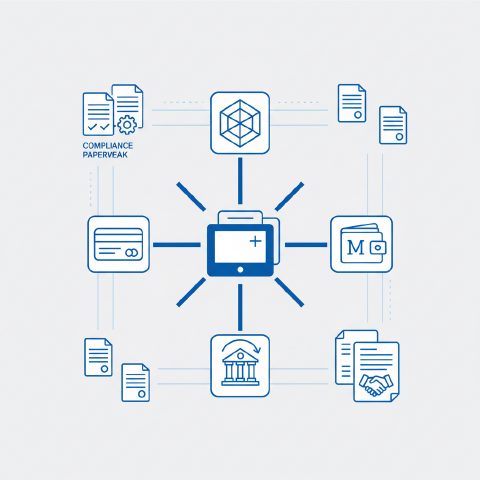
There are five main APM categories relevant to iGaming operators: digital wallets (Skrill, NETELLER, PayPal in select markets), cryptocurrency (Bitcoin, ETH, stablecoins), open banking / Pay by Bank (Trustly, Volt, Truelayer), prepaid vouchers (Paysafecard, Flexepin), and local bank transfer networks (PIX in Brazil, UPI in India, SPEI in Mexico). Each has a different risk profile, fee structure, and geographic fit.
Digital wallets are the most established category and still dominate deposit volume in the UK, Nordics, and parts of Eastern Europe. Skrill and NETELLER, both owned by Paysafe, are the incumbents, but they carry real operational risk: Paysafe has restricted or terminated gambling merchant accounts with minimal notice in the past, and their merchant fees run 2.5-4% depending on your volume tier. PayPal is available for gambling in the UK and a handful of other licensed markets, but they're selective about who they onboard and the underwriting process is slow.
Cryptocurrency has moved from niche to mainstream for offshore and crypto-native operators. Platforms like BitPay, CoinsPaid, and NOWPayments handle the conversion layer, letting players deposit in BTC, ETH, USDT or a dozen other coins while the operator settles in fiat or stablecoin. The conversion rates are excellent, crypto users expect to gamble, so checkout abandonment is low. The compliance overhead, though, is real: you need a blockchain analytics tool (Chainalysis, Elliptic, or similar) and documented AML procedures for crypto flows, or you're building regulatory exposure.
Open banking is the category I'd watch most closely in 2026. Trustly has been the dominant player in the EU and UK for years, but Volt, Truelayer, and a wave of regional open banking providers are now competing on price and conversion features. Pay by Bank transactions have no card network fees, near-zero chargebacks (the player authorizes directly from their bank app), and settlement can be near-instant. In Brazil, PIX is already the dominant payment method for iGaming, operators who launched without PIX integration in 2024 were leaving serious volume on the table.
Prepaid vouchers (Paysafecard, Flexepin) serve a specific but valuable segment: players who either don't have a bank account, don't want to link one, or are in markets where card gambling is blocked. Vouchers are slow to cash out and have their own distribution network challenges, but for operators targeting younger demographics or privacy-conscious players, they're worth including in the stack.
| Category | Key Providers | Typical Merchant Fee | Chargeback Risk | Best Market Fit |
|---|---|---|---|---|
| Digital Wallets | Skrill, NETELLER, PayPal | 2.5-4% | Medium | UK, Nordics, Eastern Europe |
| Cryptocurrency | CoinsPaid, BitPay, NOWPayments | 0.5-1.5% | Very Low | Offshore, crypto-native, LATAM |
| Open Banking / Pay by Bank | Trustly, Volt, Truelayer, PIX | 0.2-1% | Very Low | UK, EU, Brazil, Nordics |
| Prepaid Vouchers | Paysafecard, Flexepin | 3-5% | Very Low | EU, Canada, privacy-focused segments |
| Local Bank Transfer Networks | PIX, UPI, SPEI, iDEAL | 0.1-0.5% | Low | Brazil, India, Mexico, Netherlands |
How does crypto work as a casino alternative payment solution, and what compliance does it actually require?
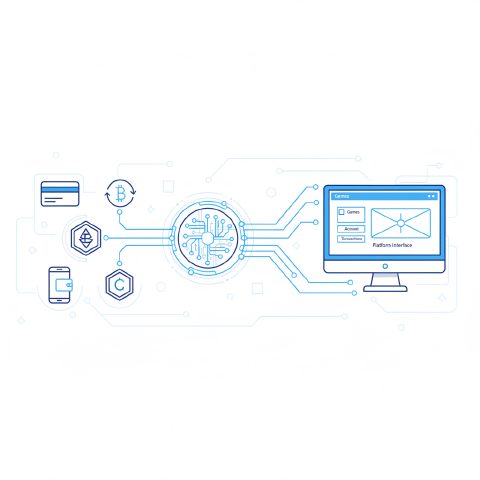
Crypto payments for iGaming work through a payment processor that handles wallet generation, transaction monitoring, and fiat conversion, the operator never needs to custody coins directly. The compliance requirement that most operators underestimate is blockchain analytics: you need to screen incoming crypto transactions for illicit source-of-funds flags, the same way you'd screen fiat for AML red flags. Skipping this step is a licensing risk, not just a reputational one.
CoinsPaid is the most widely deployed crypto payment processor in iGaming, they process a significant share of offshore and EU crypto casino volume and have integrations with most major platform providers including SoftSwiss (which acquired them). Their setup involves a merchant dashboard, API integration, and support for 50+ cryptocurrencies with automatic conversion to EUR or USDT. NOWPayments and BitPay are credible alternatives, particularly for operators who want more flexibility in which coins they accept or who need a lighter-touch integration for a smaller operation.
The compliance piece is where operators get caught out. Under Curaçao's revised licensing framework (effective 2024 under the National Ordinance on Offshore Games of Hazard), operators are explicitly required to apply AML controls to crypto deposits, source of funds checks, transaction monitoring, and SAR filing obligations apply regardless of whether the deposit is in Bitcoin or euros. The MGA has similar requirements. Chainalysis and Elliptic are the two dominant blockchain analytics providers; expect to pay $15,000-$50,000+ annually depending on transaction volume, though some crypto payment processors bundle basic screening into their fee.
Stablecoins (USDT, USDC) deserve a separate mention because they've become the preferred settlement currency for many offshore operators. They eliminate FX volatility, settle near-instantly, and are accepted by most crypto-savvy players. The risk is regulatory: stablecoin treatment under EU MiCA (Markets in Crypto-Assets) regulation and emerging US frameworks is still evolving, and operators who've built their entire treasury around USDT have some concentration risk if Tether's regulatory status changes. Diversifying across USDT and USDC is prudent.
What is open banking and why should iGaming operators care about it in 2026?
Open banking lets players authorize a direct bank transfer from their own account via a secure API, no card details, no e-wallet login, no intermediary holding funds. For operators, this means near-zero chargebacks, lower fees than any card or wallet solution, and instant settlement in markets where the rails support it. In the UK and EU, it's already a proven deposit method; in Brazil, PIX has made it the dominant iGaming payment method by volume.
Trustly has been the standard integration for UK and EU operators for several years, and their conversion rates on deposit flows are genuinely strong, players who start a Pay by Bank flow complete it at higher rates than card flows in A/B tests I've reviewed. Their merchant fees are typically in the 0.2-0.8% range depending on volume, which is dramatically cheaper than Skrill or card acquiring. The downside is that Trustly's coverage is still patchy outside Europe and Brazil, if you're targeting North America or Southeast Asia, open banking isn't your primary tool yet.
In Brazil, PIX is not optional. Since its launch by the Banco Central do Brasil in 2020, it has become the default payment method for the country, and the Brazilian iGaming regulation that took effect in January 2025 effectively requires licensed operators to support it. PIX transactions are instant, 24/7, and the fees are minimal. Operators who integrated PIX early in 2024 saw immediate deposit conversion lifts. If you're entering Brazil, this is the first integration on your list, not an afterthought.
Volt and Truelayer are worth watching as alternatives to Trustly in the EU and UK. Both are competing on API quality and pricing, and the open banking space in Europe is genuinely competitive now that PSD2 has matured. For operators building a new payment stack in 2026, getting competing quotes from at least two open banking providers before signing an exclusive deal with Trustly is worth the effort, the pricing leverage exists.
How do you build a market-specific payment stack for different iGaming jurisdictions?
There's no universal payment stack. The methods that drive conversion in the UK look completely different from what works in Brazil, Germany, or Ontario. Building a market-specific stack means identifying the two or three payment methods that cover 80%+ of your target players, then adding compliance-required methods on top. Getting this wrong at launch is expensive, re-integrating payment providers mid-operation costs time, money, and player trust.
For a UK-licensed operator, the core stack in 2026 looks like this: a Pay by Bank provider (Trustly or Volt), Skrill and NETELLER for the wallet segment, Paysafecard for the voucher segment, and a card acquirer as a fallback (accepting that card conversion will be lower). PayPal is worth pursuing if you have the patience for their underwriting process. Crypto is a smaller segment in the regulated UK market but still relevant for certain player profiles.
Brazil is almost entirely PIX-first. A PIX integration through a local payment processor (Ebanx, PagBrasil, or similar) is non-negotiable. Cards are used but conversion is lower, and the regulatory framework for 2025 licensing specifically addresses payment compliance for licensed operators. Crypto has a following in Brazil but is not a primary deposit method for the mass market.
For Curaçao-licensed offshore operators targeting a global player base, the stack typically includes crypto (CoinsPaid or similar), Skrill/NETELLER, and a card acquirer that will take the merchant category. The challenge is that many high-quality card acquirers won't touch Curaçao-licensed operators, you may end up with a second-tier acquirer charging 4-6% with rolling reserves. This is a known cost of operating offshore, and operators should model it into their unit economics before launch.
Germany's GlüNeuRStV created a specific challenge: the €1,000 monthly deposit limit and mandatory player account verification requirements effectively make high-value payment methods less relevant and push operators toward frictionless bank transfer solutions. SOFORT (now part of Klarna) and Giropay have historically been the dominant German online payment methods, though Giropay shut down in 2024, operators targeting Germany need to verify which bank transfer rails are currently live and compliant with the regulatory framework.
| Market | Primary APM | Secondary APMs | Card Viability | Key Compliance Note |
|---|---|---|---|---|
| UK (UKGC) | Open Banking (Trustly/Volt) | Skrill, NETELLER, Paysafecard | Moderate (high decline rates) | GAMSTOP integration required; credit card ban in force |
| Brazil (SIGAP) | PIX | Cards, Boleto, Crypto | Moderate | PIX mandatory for licensed operators under 2025 rules |
| Germany (GlüNeuRStV) | Bank Transfer (SOFORT/alternatives) | Paysafecard, Cards | Low-moderate | €1,000/month deposit cap; strict KYC before deposit |
| Curaçao Offshore | Crypto (CoinsPaid) | Skrill, NETELLER, Cards (2nd tier) | Low (limited acquirers) | Blockchain analytics required under revised NOoG |
| Ontario (AGCO) | Interac e-Transfer | Cards, PayPal, Crypto | Moderate | AGCO-registered operators only; responsible gambling tools mandatory |
What does a payments solution for iGaming actually cost to integrate and operate?
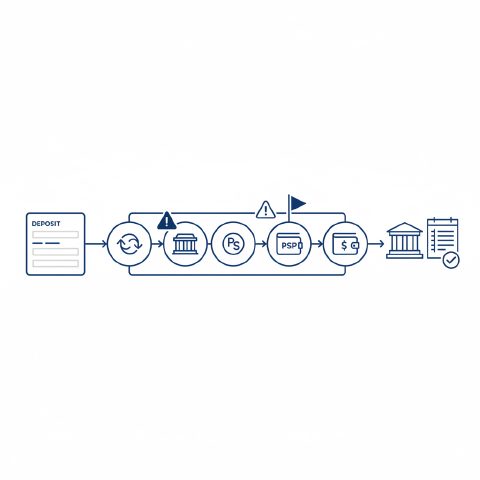
The total cost of a payment stack has three layers: integration costs (one-time technical work), merchant fees (per-transaction percentage), and ongoing compliance costs (AML tools, chargeback management, reserve requirements). Most operators budget for the first two and get blindsided by the third. A realistic annual payment operations budget for a mid-size operator runs $150,000-$400,000+ depending on volume and market.
Integration costs vary by how you're built. If you're on a white-label platform like SoftSwiss, EveryMatrix, or Softgamings, many APMs are pre-integrated and you pay a revenue share or flat fee to activate them, the technical lift is minimal. If you're on a custom or turnkey build, each payment provider integration is a development project. A single payment API integration typically runs 2-6 weeks of developer time depending on complexity. Multiply that by 8-10 providers and you're looking at a meaningful engineering investment before you've processed a single transaction.
Merchant fees are the ongoing cost that compounds. A simple benchmark: if you're processing $5M/month in deposits and your blended APM fee is 2%, that's $100,000/month in payment costs, $1.2M annually. Shaving 0.5% off your blended rate through better provider negotiation or shifting volume toward open banking rails saves $300,000/year at that volume. This is why payment stack optimization is not a one-time project; it's a continuous commercial function.
Rolling reserves are the hidden cost that hurts early-stage operators most. Card acquirers and some e-wallet providers will hold 5-15% of your transaction volume in reserve for 90-180 days as a chargeback buffer. For a new operator processing $1M/month, that's $50,000-$150,000 tied up in reserve at any given time, real working capital you can't use. Crypto and open banking providers generally don't impose rolling reserves, which is one reason operators with tight launch budgets lean toward them early on.
How do you handle chargebacks and fraud in an iGaming payment stack?
Chargebacks are an existential risk for iGaming card processing, breaching a 1% threshold can get your merchant account terminated. The defense strategy has three layers: pre-authorization fraud screening, clear player verification (KYC) before the first deposit, and a robust chargeback dispute process. APMs that bypass the card network, crypto, open banking, vouchers, eliminate most chargeback exposure by design.
The most effective fraud prevention for iGaming is front-loading KYC before the first deposit rather than deferring it. I know this creates friction at the top of the funnel, and some operators resist it for conversion reasons. But operators who allow unverified deposits and then face a chargeback wave from players claiming unauthorized transactions have no defense, the card network will side with the cardholder. The UKGC effectively mandated upfront KYC for this reason, and it's become best practice even in less regulated markets.
For transaction-level fraud screening, providers like Kount (now part of Equifax), Sift, and Featurespace's ARIC platform are used by larger iGaming operators. These tools use behavioral signals and device fingerprinting to flag suspicious deposit patterns in real time. The cost is meaningful, typically $50,000-$200,000+ annually at scale, but the alternative is a chargeback ratio that kills your card processing.
The structural solution, though, is payment method diversification. Every deposit that goes through Trustly's open banking rail or CoinsPaid's crypto gateway is a deposit that cannot generate a traditional card chargeback. Operators who've successfully shifted 60-70% of their deposit volume to APMs report that their card chargeback rates drop dramatically because the remaining card volume is from more committed, verified players. The payment mix itself is a fraud management tool.
What should operators know about payment provider onboarding timelines?
Payment provider onboarding for iGaming is slow, plan for 4-12 weeks per provider, not days. Card acquirers are the longest, often 8-16 weeks with full underwriting. Crypto processors are the fastest, sometimes live in 1-2 weeks. E-wallets like Skrill and NETELLER require a separate merchant agreement and can take 4-8 weeks. If you're planning a launch date, payment onboarding needs to start before your platform build is finished.
The underwriting process for a card acquirer in iGaming is genuinely thorough, they'll want your license documentation, corporate structure, beneficial ownership details, AML policy, responsible gambling framework, and often 3-6 months of processing history from a previous merchant account. If you're launching a new brand with no processing history, expect more scrutiny and potentially worse initial terms (higher fees, larger rolling reserve). Operators who've launched before and can show clean processing history get significantly better terms.
Skrill and NETELLER onboarding requires a dedicated gambling merchant account application separate from the standard Paysafe merchant program. The timeline is typically 4-8 weeks and they'll review your license, website, terms and conditions, and responsible gambling tools. They've tightened their gambling merchant criteria in recent years, operators on Curaçao licenses have reported more friction than those on MGA or UKGC licenses. This is worth factoring into your market entry timeline.
Crypto processors are the exception to the slow onboarding rule. CoinsPaid, NOWPayments, and similar providers can onboard a new operator in 1-3 weeks because the compliance burden is lighter (no card network rules, no issuing bank relationships to manage). This is one reason crypto-first offshore operators can launch faster than those building a full fiat payment stack. If you're under time pressure, launching with crypto plus one bank transfer option and adding card and wallet providers post-launch is a viable sequencing strategy.
How do white-label and turnkey platforms affect your payment options?
White-label platforms (SoftSwiss, EveryMatrix, Softgamings) bundle pre-integrated payment providers, which accelerates launch but limits your negotiating power, you're using the platform's merchant accounts, not your own. Turnkey and custom builds give you direct payment relationships and better long-term economics, but require you to own the onboarding process for every provider. The right choice depends on your timeline and how much of your margin you're willing to share.
On a white-label platform, the payment stack is largely pre-built. SoftSwiss's platform, for example, comes with CoinsPaid (their crypto arm), a range of pre-integrated e-wallets, and regional payment methods for key markets. You can go live in weeks without negotiating a single payment provider contract. The trade-off: the platform takes a cut of your GGR that implicitly covers payment infrastructure costs, and you have limited ability to negotiate better rates with individual providers or add niche APMs that aren't in the platform's standard stack.
EveryMatrix's PayDo and payment hub products sit in an interesting middle ground, they offer a payment orchestration layer that aggregates multiple providers behind a single API, which reduces integration work while still allowing operators to hold their own merchant accounts with each provider. This is a reasonable approach for operators who want direct payment relationships but don't have the engineering resources to manage multiple individual integrations.
For operators on custom builds or using a turnkey platform without bundled payments, a payment orchestration layer is worth serious consideration. Providers like Nuvei (which has a strong iGaming vertical), Payvision, and Worldpay's gaming division offer multi-method payment APIs that can significantly reduce the integration burden. The cost is typically a basis-point fee on top of the underlying provider fee, but the operational simplification, single reconciliation, single dashboard, single technical integration, is often worth it at scale.
What are the biggest mistakes operators make with their iGaming payment stack?
The most common mistake is treating payment integration as a launch checklist item rather than an ongoing commercial function. Operators go live with whatever payment methods their platform supports, never revisit the stack, and leave significant conversion and margin on the table for years. The second most common mistake is ignoring market-specific payment preferences entirely and deploying a European-centric stack in LATAM or North America.
Launching with a single card acquirer and no APM backup is the payment equivalent of building a casino with one exit. When that acquirer terminates your account, and in iGaming, this happens, you have no fallback and your deposit funnel goes dark. I've seen operators lose weeks of revenue while scrambling to onboard a replacement acquirer. The minimum viable payment stack at launch should include at least one APM that doesn't depend on card network rails.
Underestimating currency and FX costs is another expensive oversight. If you're processing deposits in multiple currencies but settling in one, the FX spread your payment providers charge compounds quickly. Some providers charge 1.5-3% on currency conversion, on high-volume operations, that's a significant margin leak. Operators should audit their FX costs annually and consider settling in local currency where volume justifies it.
Finally, ignoring the withdrawal side of the equation is a conversion killer that doesn't show up in deposit metrics. Players who can deposit easily but face friction on withdrawal, slow processing, limited withdrawal methods, high minimum withdrawal amounts, churn faster and leave worse reviews. The payment stack should be designed for the full player lifecycle: deposit, play, and withdraw. Open banking rails that support instant withdrawals are a genuine competitive differentiator in markets like the UK where players have been conditioned to expect same-day payouts.
Comments
No comments yet, be the first.